Contacts

92 Bowery St., NY 10013

thepascal@mail.com

+1 800 123 456 789

Tag: RIGHT TO PLAY

IMPORTANCE OF PLAYPLAY2LEARNSAFE SPACE

TOF Turns 20: Volunteers engage in playful activities

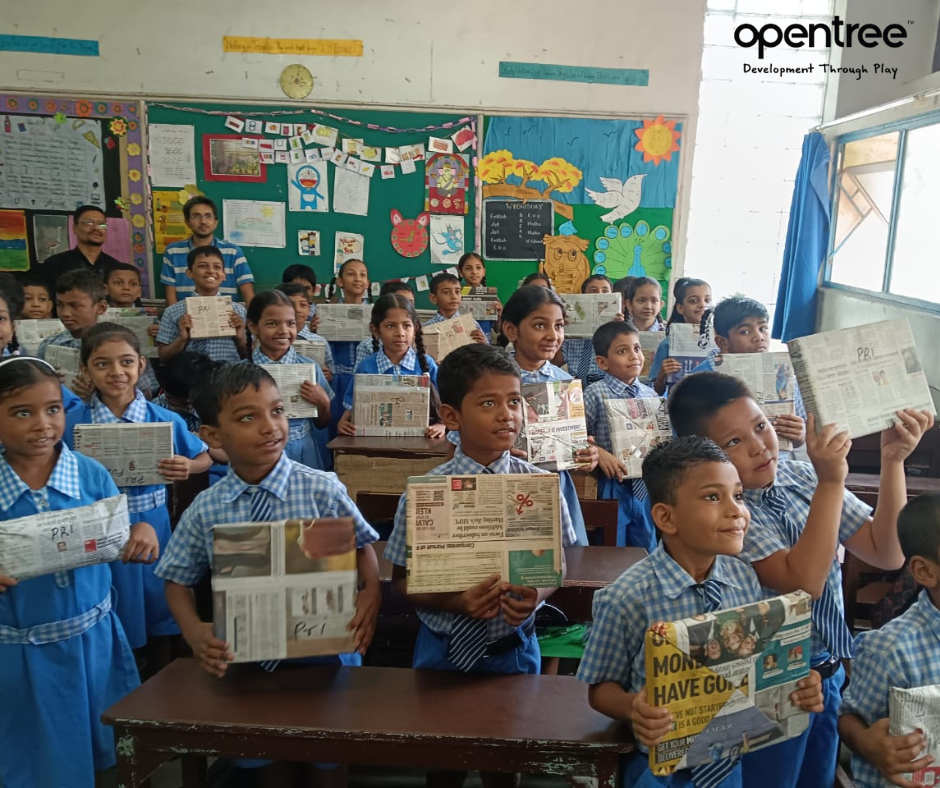
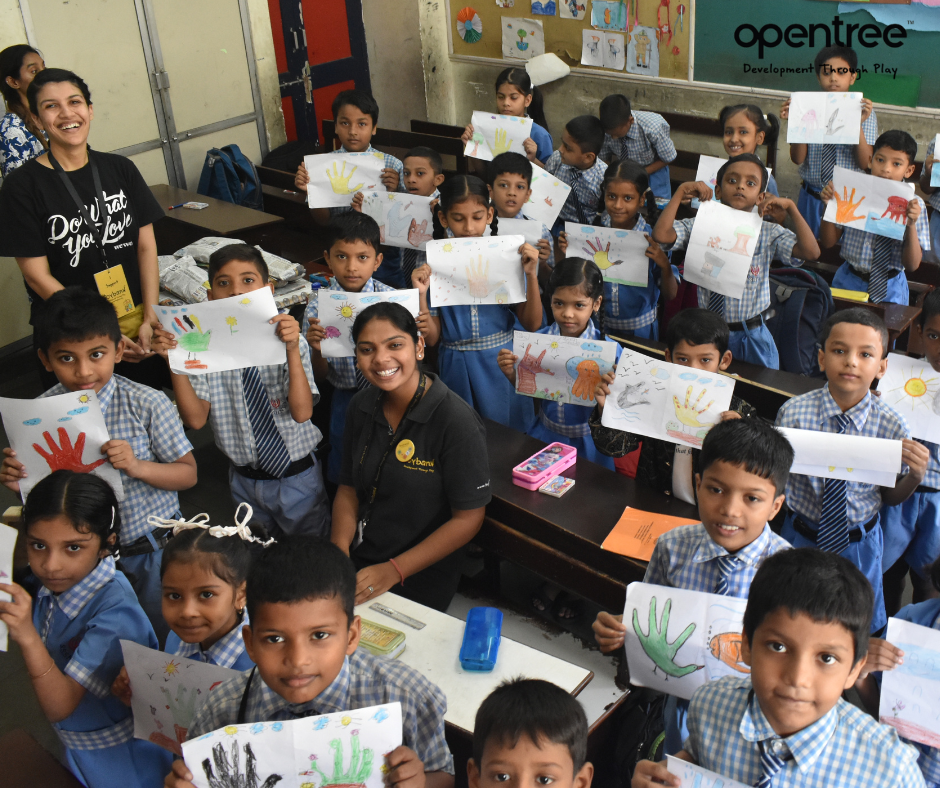
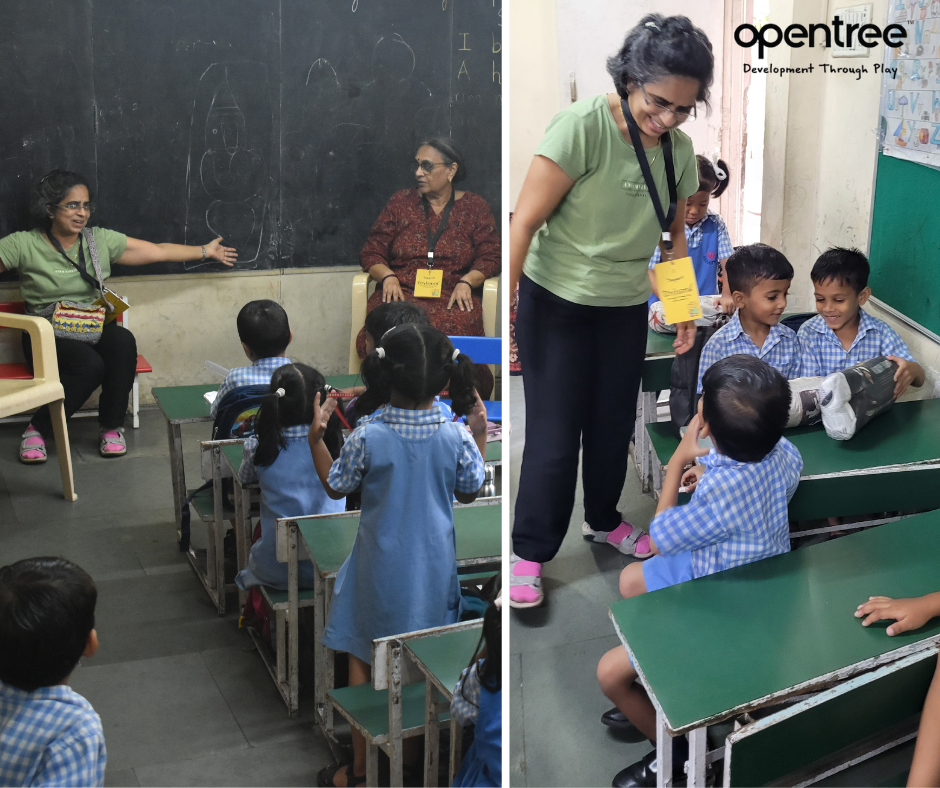
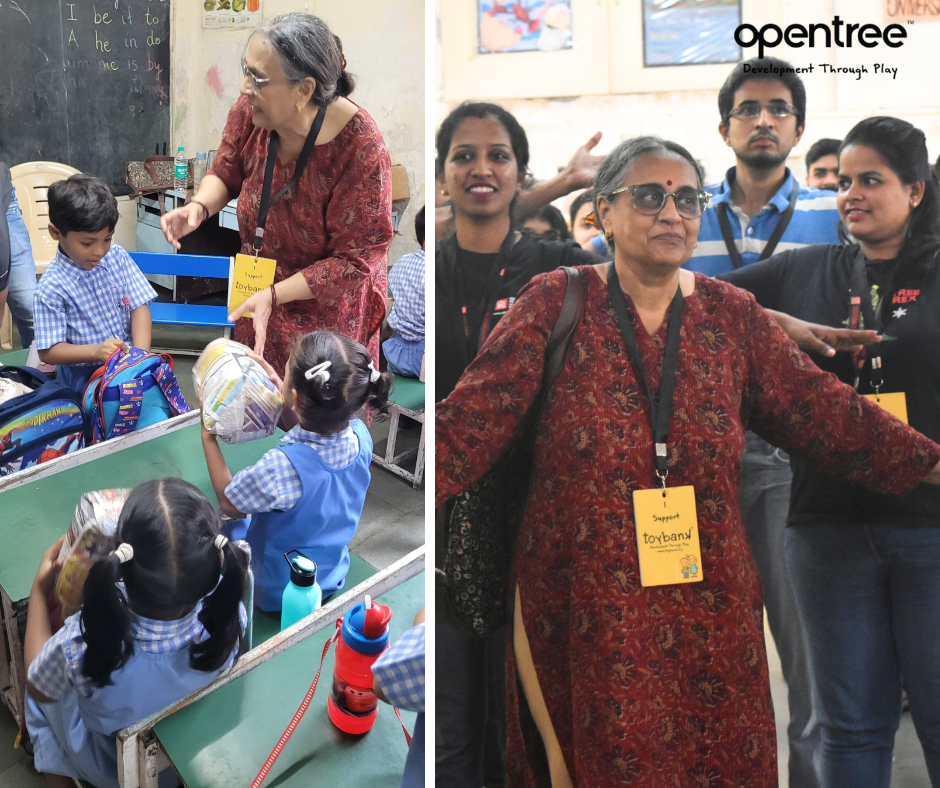
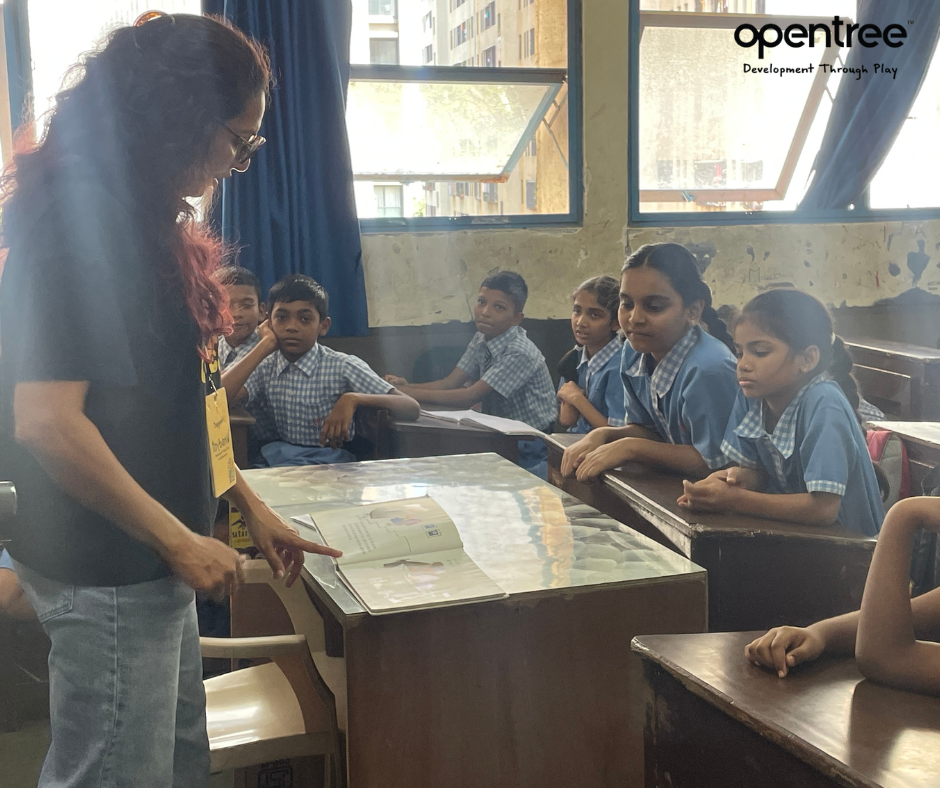
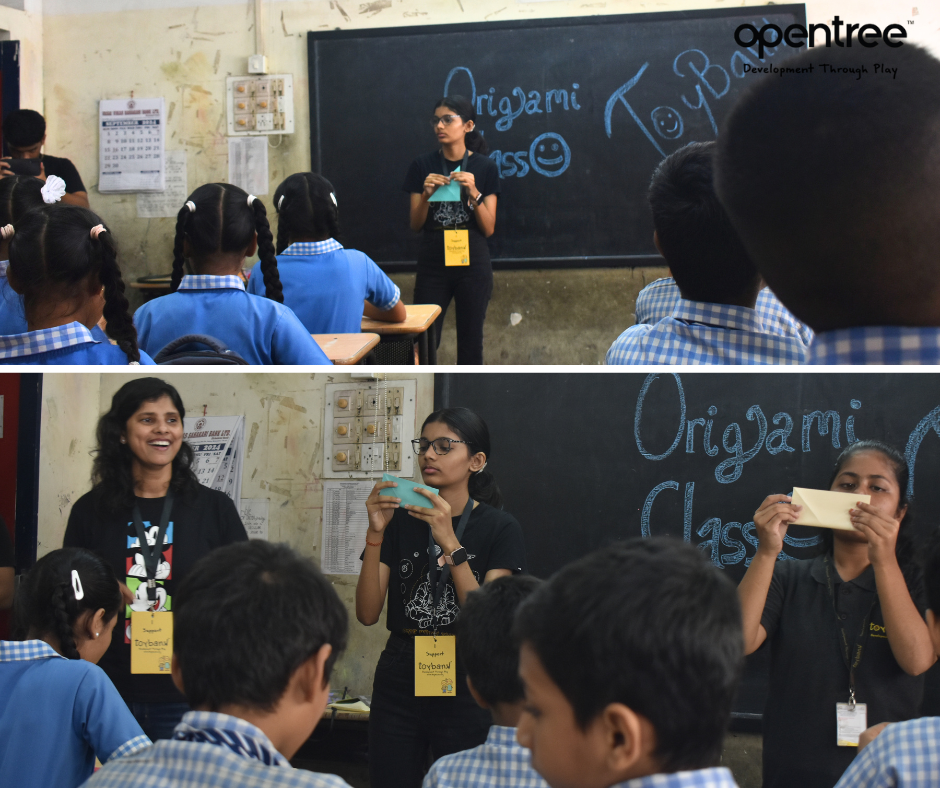
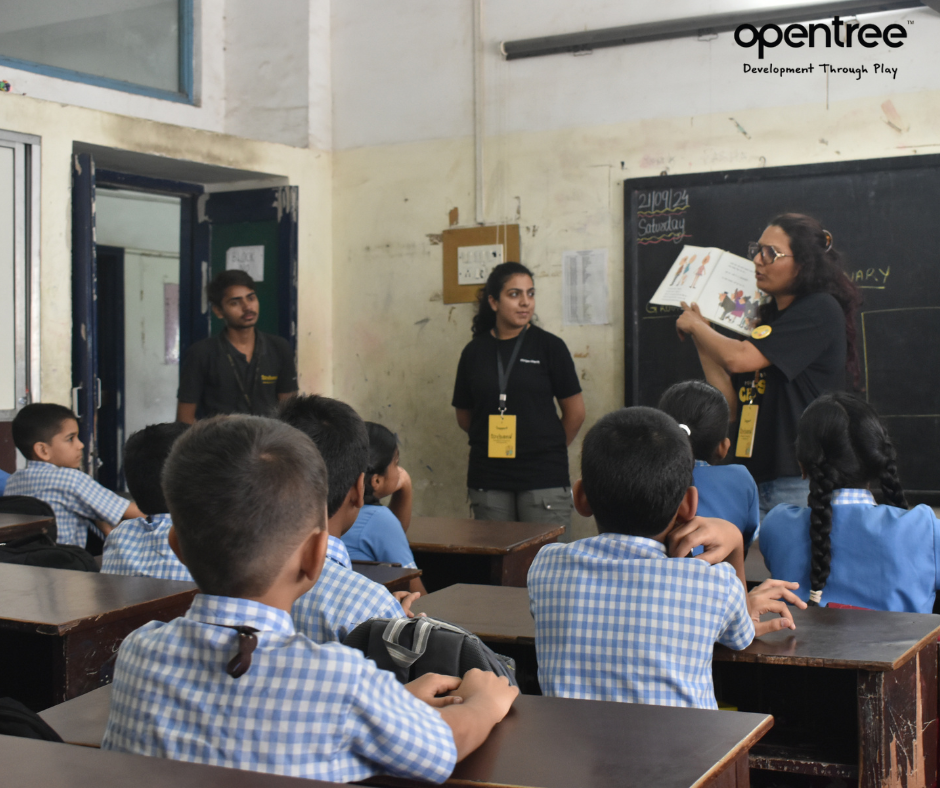
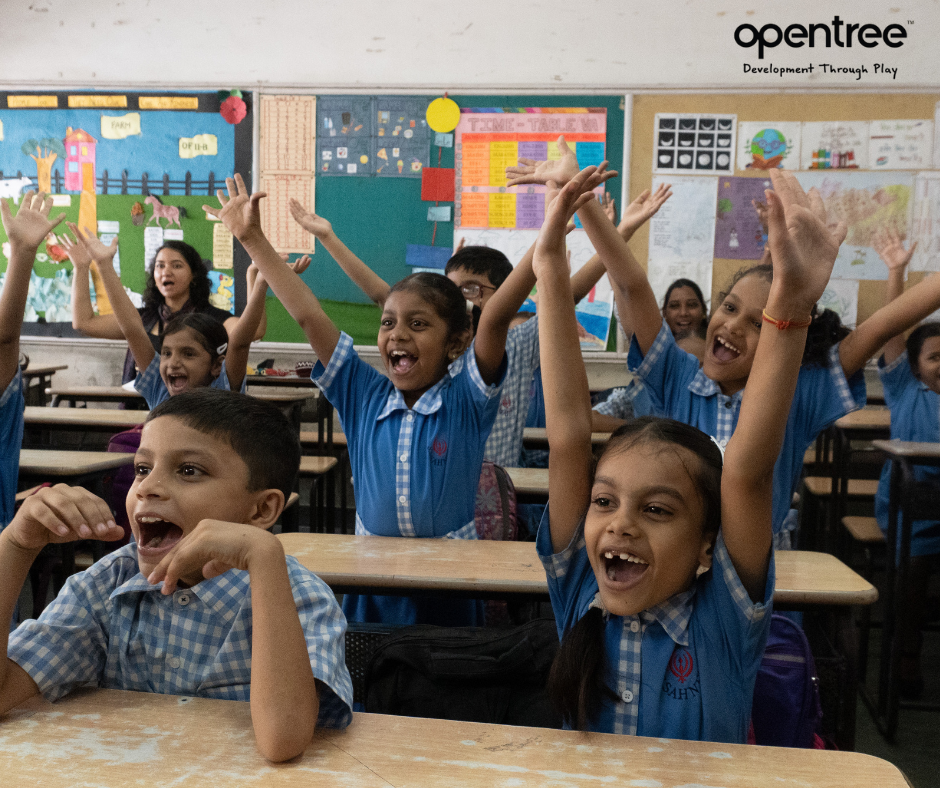
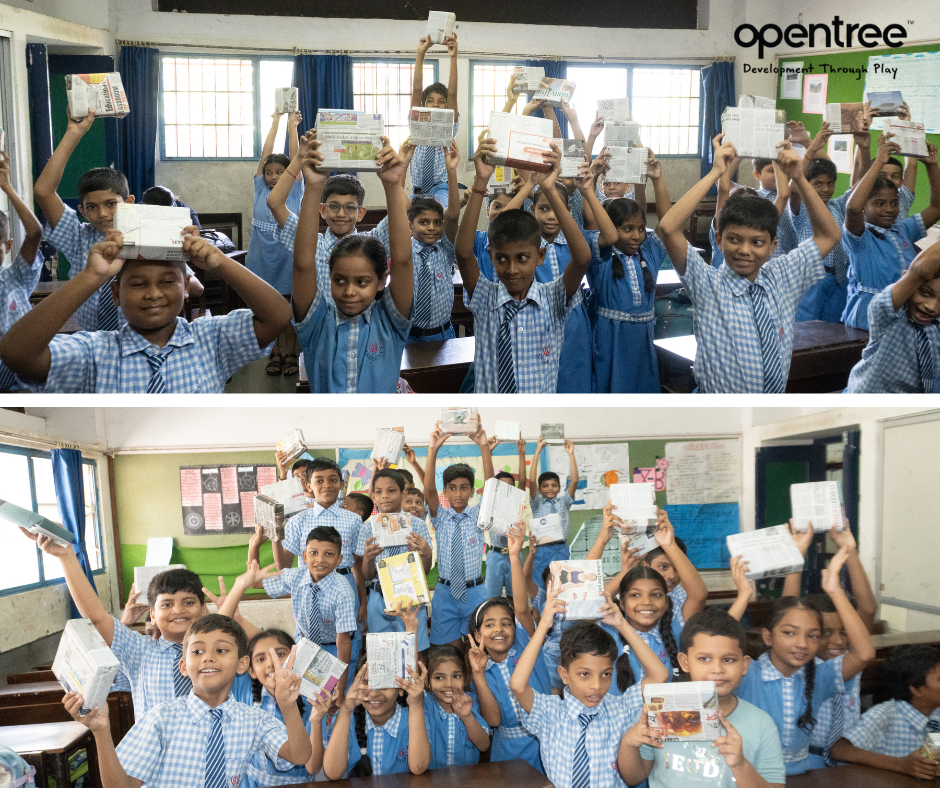
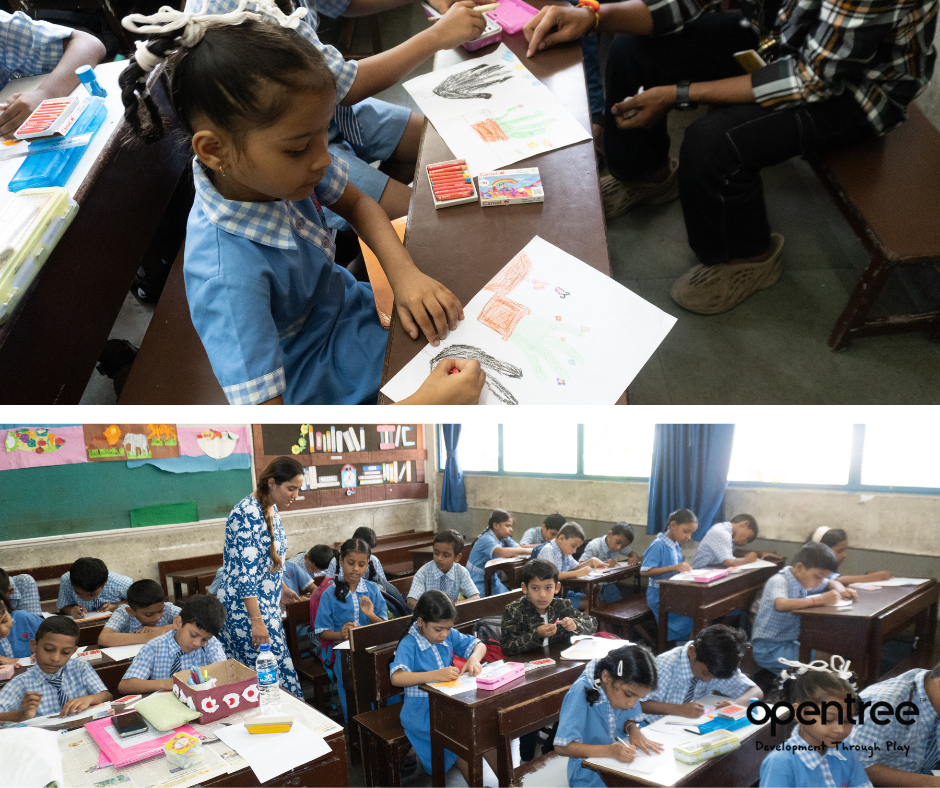
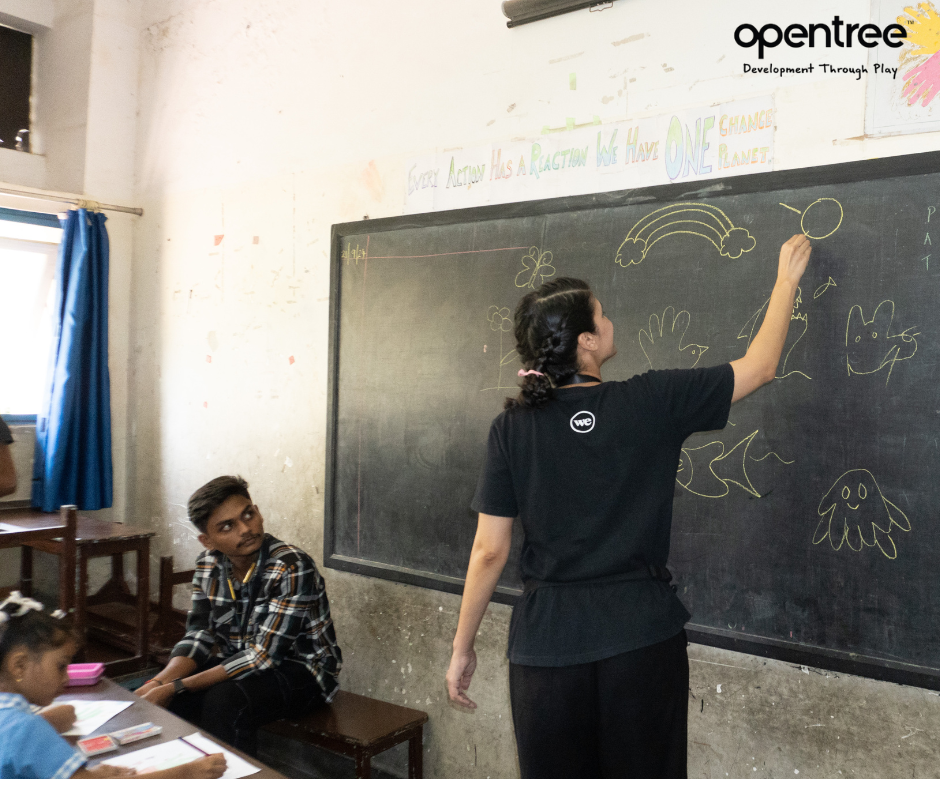
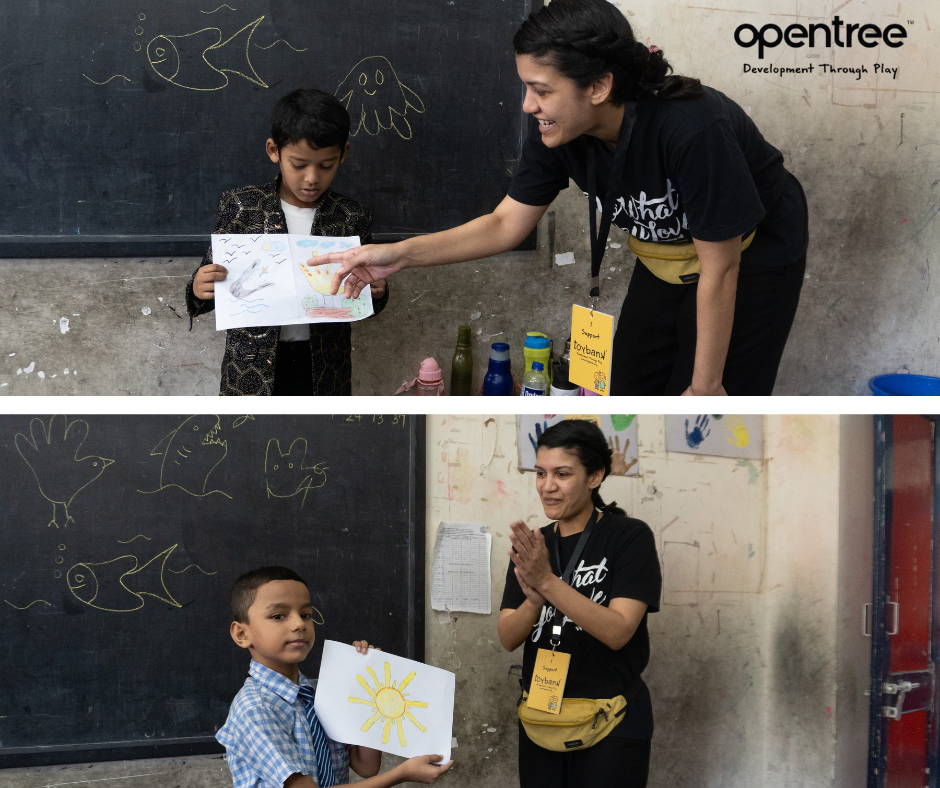
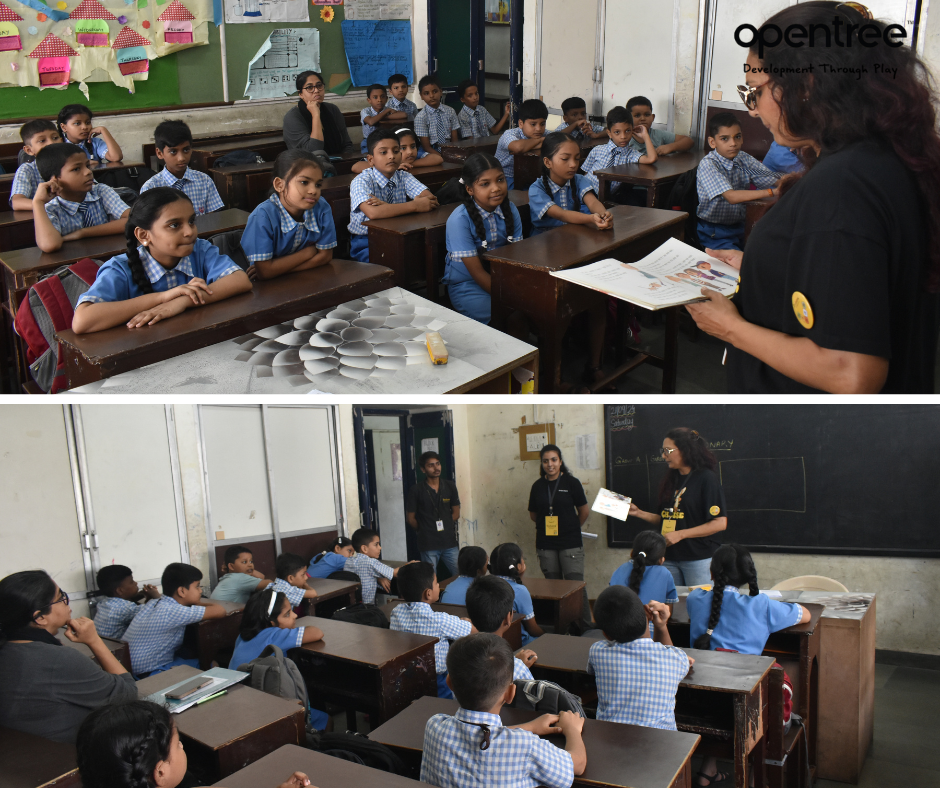
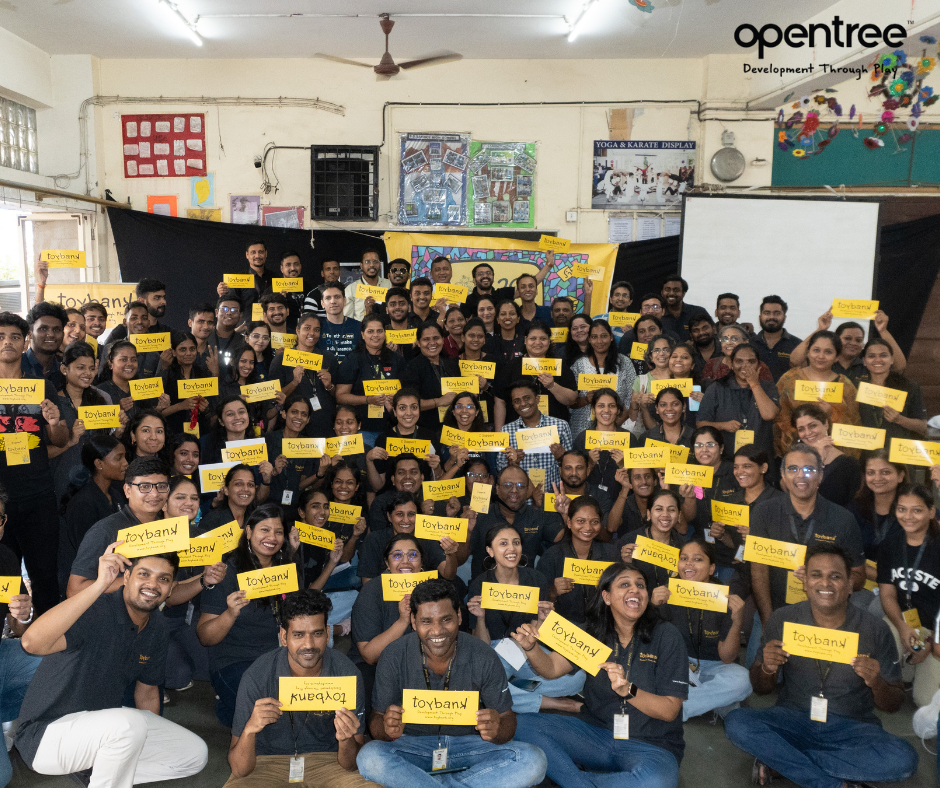
On September 21, 2024, over 100 volunteers came together to distribute games to over 1,000 children and conduct fun activities at a school in Khar. The day marked 20 years of The Opentree Foundation, and was filled with learning, games, but most of all, PLAY!

We asked one of our volunteers to write a few lines and here’s what she had to say: 

The Opentree Foundation (TOF) celebrated its 20th anniversary — a momentous milestone for an organisation that has been championing the power of play for two decades. Being a part of this celebration as a volunteer-intern was nothing short of magical, and I’m thrilled to share my experience with everyone reading this blog.

I’ve been volunteering with TOF for over six months now, and during this time, I’ve witnessed firsthand how play can truly enrich a child’s life. The anniversary event was a blockbuster — filled with laughter, vibrant energy, and, of course, lots of joyful play! The games and activities were loved not just by the children, but by all of us who were there. I found myself instantly bonding with the children, their excitement and cheerfulness lifting my spirits and reminding me exactly why I’m here.

As the event drew to a close, I felt a deep sense of fulfillment. The children didn’t want the play to stop — they didn’t want me to leave! That heartfelt connection, their eagerness to keep playing and engaging, is what makes TOF so special.

It has truly become family to me. It has opened my eyes to the importance of play — not just for children, but for all of us. I’ve learned how play supports cognitive development, builds social-emotional skills, reduces stress, and contributes to a child’s overall well-being. And personally, it has helped me reconnect with my inner child. Attending play sessions and participating in board games, puzzles, and creative activities takes me back to my own childhood — and I enjoy it just as much as the children.

Though my journey with TOF is just beginning, I know it’s one I’ll cherish for life. The team is passionate, driven, and always gives their best — to the children, to the volunteers, and to each other. I feel proud to be part of a mission that is so meaningful and necessary.

If you ever get the chance, I urge you to volunteer with TOF. It’s an experience you won’t want to miss — one that will change your perspective on play, childhood, and life itself.

Play is not just fun. It’s essential. We must speak more openly about its value and work together to break the taboo that play is “unnecessary.” Every child has the right to play — it should not be a privilege or an afterthought. It should be a necessity.

IMPORTANCE OF PLAYPLAY2LEARNSAFE SPACE

Class 5 students develop collaboration skills through play

Research shows that play has a transformative impact on children’s holistic growth, equipping them with the skills and mindsets needed to grow into well-rounded adults in an ever-changing, increasingly volatile and uncertain world. At Toybank – Development through Play, we are committed to building critical life skills in at-risk children by increasing their access to play. 

In one of the play sessions at the Maharashtra Vidyalaya school in Mankhurd, our Outreach Play Worker (OPW) observed that a group of three girls would not interact with anyone in class. They are all 11-years-old and studying in Class 5. 

In order to get them to interact with the other classmates, the OPW introduced them to games that would help them develop collaboration skills. The board games included puzzles of the Solar System and India Map, numeric games such as Multiplication, Tic-Tac-Toe and strategy-based games such as African Safari and Othello. All of these games require them to play in groups and interact with others. 

When children play in groups, they are encouraged to collaborate, communicate and share ideas with each other. This strategy helps in developing social skills, problem-solving abilities and teamwork. The OPW had learned about this during one of the workshops we organised and decided to use the same strategy with this group. 

This helped the group gain confidence to talk and play with the others in class and, while having developed essential life skills. In conversation with the OPW, the teacher spoke about how play sessions have been benefiting children and also helping with their mental well-being. 

IMPORTANCE OF PLAYPLAY2LEARN

Play sessions let me witness growth in children, says Grade 11 volunteer

While we have always been exposed to play as a fundamental need in our lives, children from vulnerable communities lack this approach.

It has been a huge learning and an incredible experience to witness the impact of play in the lives of children from marginalised communities, during my internship with The Opentree Foundation. 

The organisation conducts play sessions through its flagship project: Toybank — Development through Play, with its 623+ play centres set up in 339 government schools of Maharashtra.  The play sessions begin with fun activities for the children as a group, to set the momentum for the rest of the session. It’s also a way for children to unwind and take a break from their ongoing classes.

Games that involve multiplication, reading the time, chess, and multiple others are then brought out for children. I noticed that these games varied in complexity and catered to every child in the room. As a volunteer, I attempted to play all games with the children. Teaching them how to tell the time, counting numbers up to 20 with them, and taking part in multiple other groups were just some of the activities I was a part of over a span of three weeks. 

While we have always been exposed to play as a fundamental need in our lives, children from vulnerable communities lack this approach. Interning with TOF allowed me to witness how play helps these children develop essential life skills. Through the multiple play sessions I attended, I was able to witness growth in children, including basic Math skills, social skills and improvement in some of their language skills. 

In addition to this, on the International Day of Play, I got the opportunity to co-host an Instagram LIVE with chief play people, including Robyn Monro Miller, President of the International Play Association; Marguerite Hunter Blair, CEO, Play Scotland and Shweta Chari, CEO & Co-founder, TOF. The conversation included discussions around what can be done to make the world more playful for our children and what can we as young people do to advocate for play. It not only allowed me to understand how play is perceived at a global level, but also helped me understand the need for the Right to Play in India. 

Aarush Kamdar is a Grade 11 student, former intern at TOF and now a play volunteer. 

IMPORTANCE OF PLAYPLAY2LEARN

Volunteer Speaks: ‘Play is a fundamental right, every child must have access to quality play’

Every child deserves the Right to Play as a fundamental part of their upbringing. Let us all advocate for playful growing years for every child in India.

We were at my child’s annual school fest; and my little one felt overwhelmed by the noise and choices around. So, we decided to take a walk around to see if we could find something of her interest and we stumbled upon The Opentree Foundation’s (TOF) stall, where welcoming smiles caught her attention. While she immersed herself in board games and the volunteers engaged her, I learned about the organisation.

The Opentree Foundation is a Mumbai-based non-profit, founded in 2004, with Toybank — Development through Play as its flagship project. Their mission instantly resonated with me. Working with a play space design firm and being part of a family of play enthusiasts, I understand and appreciate the Power of Play. But, what truly captivated me was the foundation’s use of play to enrich lives. They nurture children to become strong individuals, promote open-mindedness, and impart vital life lessons through play, all in a structured and impactful way.

Play is integral to our lives, a cherished part of our family routine, it is a basic right. However, for many children quality play is a privilege. This realisation led to me volunteering with TOF. 

Volunteering with the organisation has helped me:

Share the joy of play: Bring in my energy, excitement, perspective, experience in the play sessions and impart some impromptu learning led by the games or interactions we have.

Belief in the cause: After I spoke to the co-founder, Shweta Chari, and heard the emotion and conviction she had towards making Right to Play a reality for every child in India, I knew I wanted to contribute.

Playful living: Play does not need to be a chore or an activity you indulge in for a short while in a day. Play and playfulness is a way of living a better life. I felt that volunteering with TOF would have a positive impact on my days. The thought of indulging in play with a group of children only meant: excitement, joy and fun. 

So far, my volunteering experience at the foundation has been a humbling and joyful experience. The instant connection with children through play is remarkable; they play with enthusiasm and openness, embracing respect, kindness, and sharing, as that is what TOF’s play sessions promote. Most play sessions are filled with curiosity and squeals of excitement. Heartwarming moments, like them including me in their games and cheering for me, show how bonds form quickly through play. I have learned a few new games in these sessions I attended, and have played it again with my family back at home. Attending these play sessions allows me to disconnect from my regular routine and to-do lists. 

Play is more than just fun. It is a necessity. It creates cherished childhood memories, teaches crucial life skills, and shapes attitudes. Every child deserves the Right to Play as a fundamental part of their upbringing. Let us all advocate for playful growing years for every child in India!

This article has been drafted by Gunjan Shenoy, a volunteer with The Opentree Foundation, talking about her experiences from attending play sessions.

If you would like to volunteer with us, please drop an email to mail@opentree.org! 
IMPORTANCE OF PLAY

Play helps teacher create safe space for Class 1 student

Ajay (name changed) belongs to a tribal community in Maharashtra’s Ahmednagar district and lives with his parents and siblings. His parents are daily wage labourers and often struggle to earn a living. The situation in his home, too, is not very pleasant, as his father is an alcoholic and often has fights with the Mother. At such a young age, Ajay is exposed to an unpleasant home environment with abuses being hurled and his Mother being beaten at times.    

Owing to this, Ajay, who studies in Class 1 at the Municipal Primary School, Adarsh Nagar,  is often quiet, does not mingle with his peers, and neither is he interactive in class. The teacher had been observing his behaviour and despite attempts, she could not get him to interact with the class. Following this, she decided to use play to make Ajay feel more comfortable, as she had noticed him often looking on when children played games during play sessions. She also saw that Ajay would play by himself during the lunch break. 

When she saw how interested he was, she started playing simple games with him including Magic Square and puzzles. With time, Ajay started to get more comfortable in class and also began interacting with his peers. In conversation, he also shared his likes and dislikes with the teacher, which helped her gauge the child’s behaviour and strengthened the student-teacher bond.  

Through play sessions and support from his teacher, Ajay started to feel more comfortable in school, made friends, and slowly became active in class activities. In the years we have been at this mission, we have witnessed children from marginalised communities leave their worries behind, collaborate with their peers, and acquire life skills that would propel them to have more equitable opportunities in their lives. 

IMPORTANCE OF PLAYPLAY2LEARN

Hope 2024: DAIS students become a voice for Right to Play

On February 24, we witnessed play in all its forms at Hope 2024, the CAS (Creativity. Activity. Service.) fete held at the Dhirubhai Ambani International School (DAIS) in Mumbai. The annual fete organised by the school’s team and students served as a platform for various NGOs to spread awareness about their cause and raise funds. 

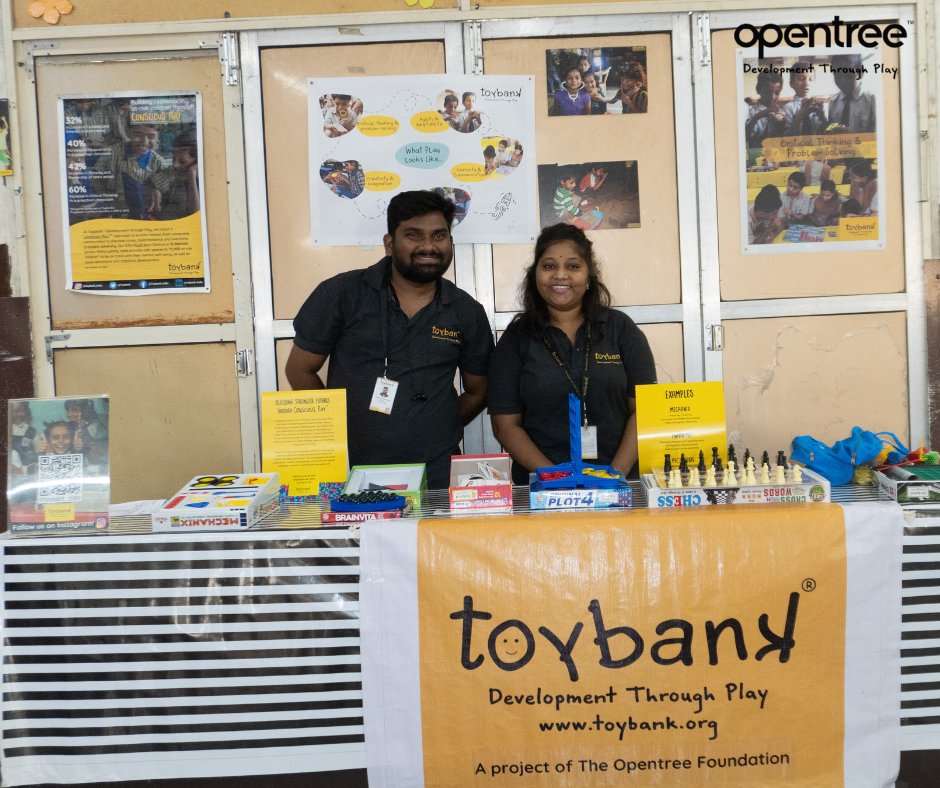
Our amazing 14 CAS volunteers from Toybank – Development through Play showcased their commitment by setting up fun activities at their stall, including Chess, Roll the Dice, Basketball and more. They had also designed collaterals to spread awareness on the Power of Play. It was a delightful sight to witness these young minds channelling their creativity and energy towards mainstreaming play. 

DAIS Toybankers also shared their experience of facilitating play at one of our play centres at the Gandhi Bal Mandir School, where they resonated with the Conscious Playapproach that aims to build essential life skills of communication, critical thinking and socio-emotional learning. They spoke about their experiences in witnessing skill development through play and how play helps promote collaboration and develop problem-solving skills. 

Beyond just fundraising, the students took initiatives to advocate for the importance of play in child development. They highlighted the significance of mainstreaming play and the fundamental Right to Play for every. Their efforts not only raised awareness, but also helped the audience understand the transformative Power of Play in shaping young lives.

It was a wonderful feeling to know that future generations truly understand and appreciate the value of play and are torch bearers for ensuring that we mainstream play in India. Play helps us drown all the other noise and puts us quickly into our true selves, into our elements, allowing us to be ourselves. Through our work, we aim to make the Right To Play a reality for every child in India.

We would also like to thank Bollywood stars Abhishek Bachchan, Boman Irani and Daboo Ratnani for being so gracious and supporting the Power of Play. 

IMPORTANCE OF PLAYPLAY2LEARN

How playing in a team builds leadership skills

It was an exciting Monday for students of Class 6 at the Priyadarshini Vidyamandir in Kandivli, Mumbai, as their morning began with Play. Students were split into groups and given games at random. One such group included five girls who were overjoyed when they received Mechanix and decided to construct something of their choice.

As a group, they first decided what they wanted to construct. It was an amusement park ride, the one which has multiple swings and rotates in circular motions. They then split the tasks among themselves and decided to construct one swing each, and later put it together. One member of the group was handing over bolts and nuts as required and holding the base structure together. 

At one point, when there were too many thoughts on how the structure should be put into place, Esha (name changed) stepped in and came to a conclusion for the team. She did this while taking into account everyone’s opinions and perspectives. 

“I like play sessions,” she said. “It allows me to have a fun time with my friends and play new games every time. I also enjoy being the leader in a group.”

Play makes learning far more engaging and applicable. It is focused on learner agency, where children have the freedom to make choices. Studies have shown that when you are more invested in your own learning, there is a chance that whatever you have learned is going to stay for longer with you. 

Apart from academics, there are also the life skills that children need to succeed as adults. And learning through play also gives children a chance at practicing those skills. When you make children play in a group, they are learning to put forth their perspective and opinions and also listen to the others in the team. And Esha’s group is one such example. 

IMPORTANCE OF PLAYPLAY2LEARN

Through Play, 10-year-old explores creativity, develops problem-solving skills

Naseem (name changed) is a 10-year-old studying at the MHB School in Malad (West). When Toybank’s Outreach Officer (OO) went to Naseem’s class, the teacher mentioned that he was disruptive in class. The OO also noticed that it was difficult for Naseem to pay attention in class and he deliberately disturbed them. He would not pay attention even when the rules for the games were being explained. The other children also avoided playing with him, as he would bother his group and not let them play.  

The OO decided to use play to build a relationship with Naseem, one game at a time. The OO introduced a rule saying that the children who did the activity well would get the games first. At the start of every play session, the team conducts an energiser or ice-breaker with the entire group before handing over the games. Energiser activities help children reactivate their brain after their academic classes. The OO also reiterated the rules of the play session, emphasising the importance of respecting each other and speaking respectfully without engaging in fights. 

Overtime, as play sessions progressed, Naseem began to take interest in teamwork and play. He began enjoying the play session and said that it helped him feel calm and relaxed. In one of the play sessions, he even led his team in the “Make your own rules” activity. 

As part of our play programme, we encourage children to create their own board games after conducting different kinds of games and activities with them throughout the year. Through these sessions and activities, children get a chance to explore their creativity and develop their problem-solving skills. Children who have been steadily and consciously exposed to play and play opportunities throughout the year are able to think in terms of creating play for themselves.

IMPORTANCE OF PLAYPLAY2LEARN

Power of Play: Class 8 student uses creativity to construct car, set it in motion

Siddharth (name changed) is a Class 8 student and attends the Mumbai Public School (CBSE) in Mulund. He is an active student and is always engaged in class. When the play sessions were first introduced, the Mechanix game interested him the most, as he is fond of cars and wanted to construct one himself. However, he could not complete its construction within one play session. In the next few sessions, he decided to play the same game, as he did not want to give up and was keen on constructing a car. 

With more time on hands, he could execute it skillfully. Once he had constructed a car, he was curious to set the car in motion. This time, he collaborated with his friend and made an attempt to do this with leftover materials such as wires, power banks and more. While Mechanix allowed them to construct a car, their imagination and creativity led them to set the car in motion. They also fitted a sensor on their vehicle, which allowed the car to detect obstacles on its path and automatically apply the brakes. 

Games such as Mechanix help children build skills of logical thinking, cognitive thinking, creativity and problem-solving. Play sessions are a space for children to explore their creative minds and go beyond imagination. In conversation with Toybank’s Outreach Officer, the teacher mentioned that Siddharth felt very happy to have completed this project and he also aspires to create his own automobile someday.

IMPORTANCE OF PLAYPLAY2LEARN

Power of Play: Class 6 children ideate, create their own games, rules

On January 20, we conducted an interesting play session with students of Class 6 at the Jankalyan School in Malad (West). The previous play sessions have exposed them to different kinds of games and got them thinking about the different aspects of problem-solving such as asking questions to find information about a problem, brainstorming solutions for a problem, how do you pick the correct idea and so on. 

In this session, we asked students to think about the structure and design of a game. There was a detailed discussion with students about what goes into making the game, how games are designed, certain games they have played like Catch the Crook or Loot that have themes of crime, investigation, sea, pirates and treasure, whereas some games such as Snakes and Ladder or Ludo do not have a theme. 

Then, there was a conversation about what goes into a game’s mechanics: what are the rules, how does the game progress forward, are there any intentional challenges that are created. For example: in snakes and ladders, you have a snake right before the last block, which makes it difficult for the player to win immediately. We had a conversation with students about what makes a game interesting, how these factors together make a game interesting and then we asked them to develop their own games. These could be based on any game they have played, they could also be a completely new game, but the criteria would be that the game should have a clear set of rules for moving forward, the game has to be challenging, there has to be a particular design or a theme for the game and they have to build out a rule card. Students built five games in all. 

It was fascinating to see how deeply they engaged with play, and how well they used their critical thinking skills to develop these games independently.

Match the Food (based on Memory Skills)

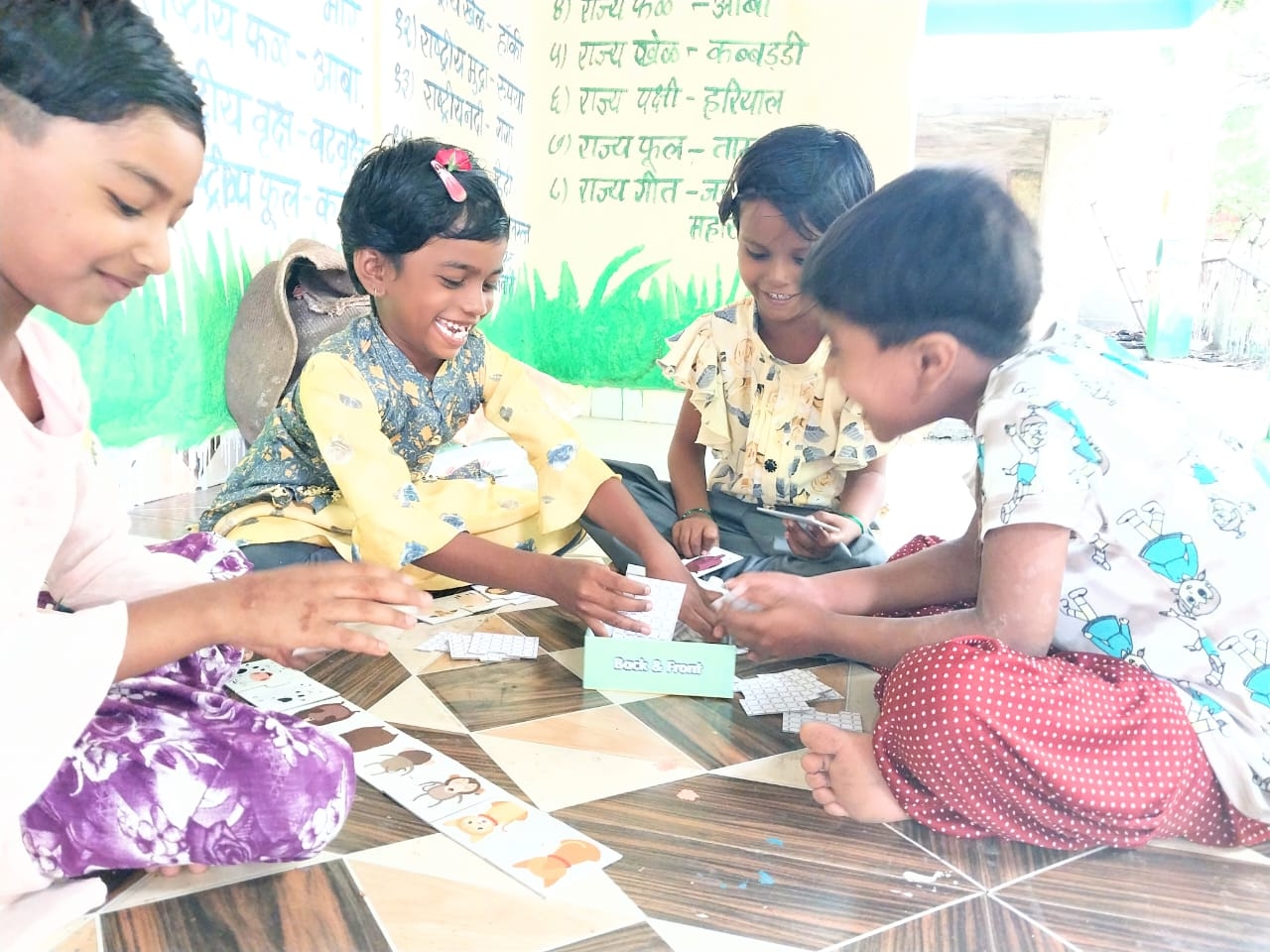
A version of memory skills, which the students had frequently played earlier. It involves covering one side of the pictures. If you roll the dice, the number on the dice determines how many pictures you can open in one turn. You need to uncover the exact matching picture on the other side, in order to score a point. This game tests memory, concentration, and eye-hand coordination.

Football Ludo

A group created a Football-themed ludo. Each of the colours became a team such as Argentina, Portugal, France and Brazil. Each coin was named after a player, and the centre, which is traditionally a home in Ludo, became the goal post. When the dice rolls six, it unlocks a new player and the rules remain the same as Ludo. 

Rainbow Checkers

This group built a version of Checkers. However, instead of using the star-shaped Chinese Checkers, they used a checkerboard and colour coded it. You roll the dice and you move forward. But, there is a spinner that decides whether you move horizontally or diagonally and the coloured squares are coded for points. If you land on blue, you get four points, if you land on red, you get a certain number of points, and so on. The game is a mix of Chinese Checkers, Chess and the likes. 

Survive the Amazon forest!

While most groups built very structured games that follow existing games, one group designed Survive the Amazon Forest. They built out a map along with elements of collaboration. One of the rules said that if you land on a particular number, you fall into a pond and you have to keep skipping your turn, until another player reaches the square before you and actually opts to save you. So, they thought of  cooperative play, which is a very technical game term. The game had an element of cooperative play and collaboration. They also had these tiles such as a pond, an alligator pond, a swamp, along with a maze. If you roll a specific number, you cannot take the regular game path, you have to take an alternative maze path. This game was great in terms of imagination and creativity. 

Counting game

This group built a mathematical spiral game, where they developed different rules for the different dice numbers. This was a mix of Snakes and Ladders, and a physical game that we play, where we count numbers and we replace specific numbers with action. Each number of the dice had a specific action: if you land on the number that has a 3 in it, you get a second turn, if you roll 2, you skip a turn and so on. 

What was most fascinating through this session was that all the concepts that have been taught through the play sessions, in terms of problem-solving, coming up with multiple solutions, teamwork, collaboration and listening to each other’s ideas, we were actually able to witness these when we heard students planning their games. When someone said they had an idea, another student added to that and explained how the idea could be made better.