For over two decades, The Opentree Foundation has worked towards a vision of integrating play-based learning into India’s public education system. While the National Education Policy 2020 increasingly recognises the importance of joyful and experiential learning, lasting change depends on something much bigger: an ecosystem of educators, practitioners, children, institutions, and government working together to make it possible.
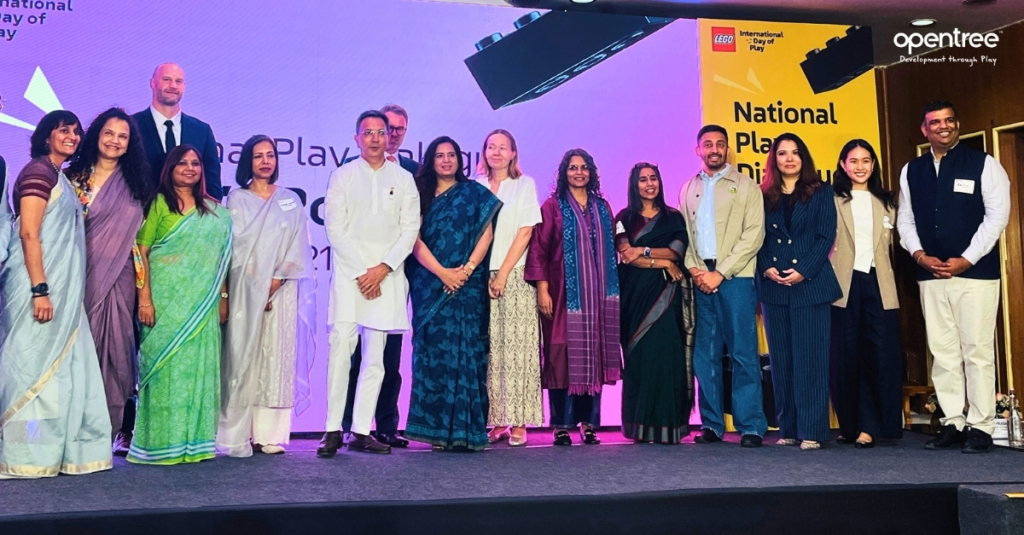
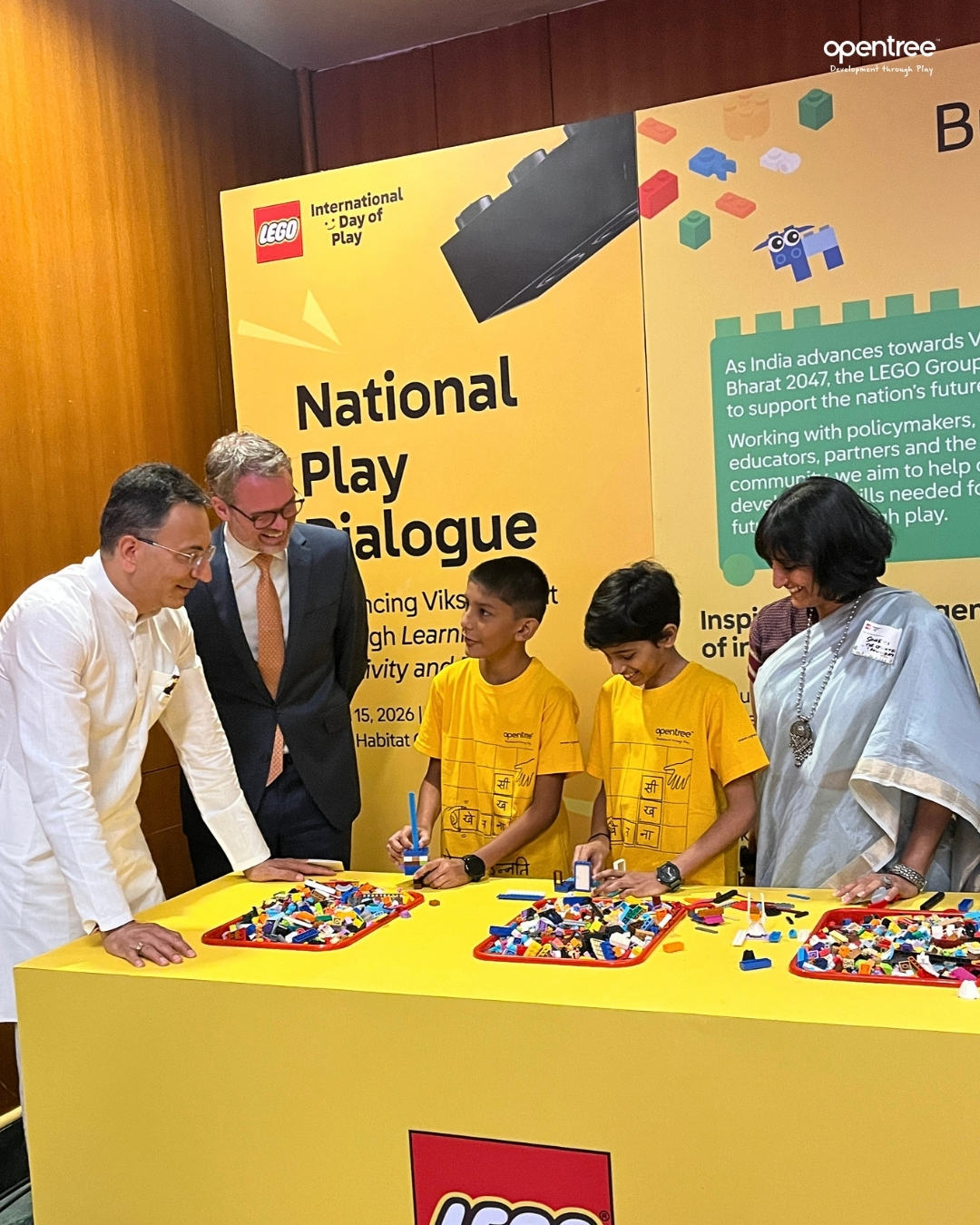
That ecosystem was visible at the National Play Dialogue – “Viksit Bharat Through Learning, Creativity and Play” on 15 June 2026, convened by The LEGO Group at the India Habitat Centre, New Delhi.
Along with Shri Jitin Prasada, Union Minister of State for Commerce & Industry and Electronics & Information Technology, Ms Debashree Mukherjee, Secretary, Ministry of Skill Development & Entrepreneurship, Ms. Ira Singhal, Deputy Secretary, Department of School Education & Literacy, Ministry of Education, and leaders from across the education and development ecosystem, the dialogue reflected a growing national consensus that play-based learning is fundamental to preparing children for Viksit Bharat 2047.
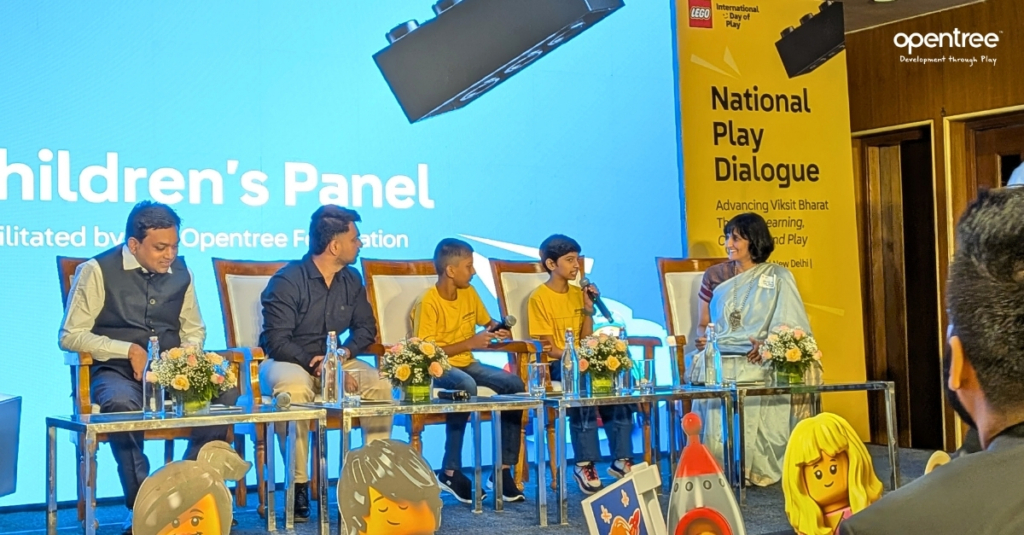
For us, one moment captured exactly what systemic change looks like – the Children’s Panel, facilitated by Shweta, along with students and the principal of our partner school in Mumbai.
Parth and Arpita, Grade 6 students from our Play2Learn partner school, Rajawadi Mumbai Public School CBSE, shared what it means to learn in a school where play is part of everyday learning. Standing alongside them were Dr. Sanjay Chavan, whose leadership has embedded play-based learning into the school’s culture, and Akash, a former government school student who now works with The Opentree Foundation to bring the same opportunities to thousands of children.
“We come to school because it is a happy place where we get to play ,” they shared.
Their message to the adults in the room was equally clear: “Let us play. Let us learn through joy.”
Together, this panel represented the vision that The Opentree Foundation has worked towards for over two-decades. They demonstrated that play-based learning is not an aspiration waiting to be tested. It is already transforming government school classrooms through committed educators, empowered practitioners, and children who have experienced its impact firsthand.
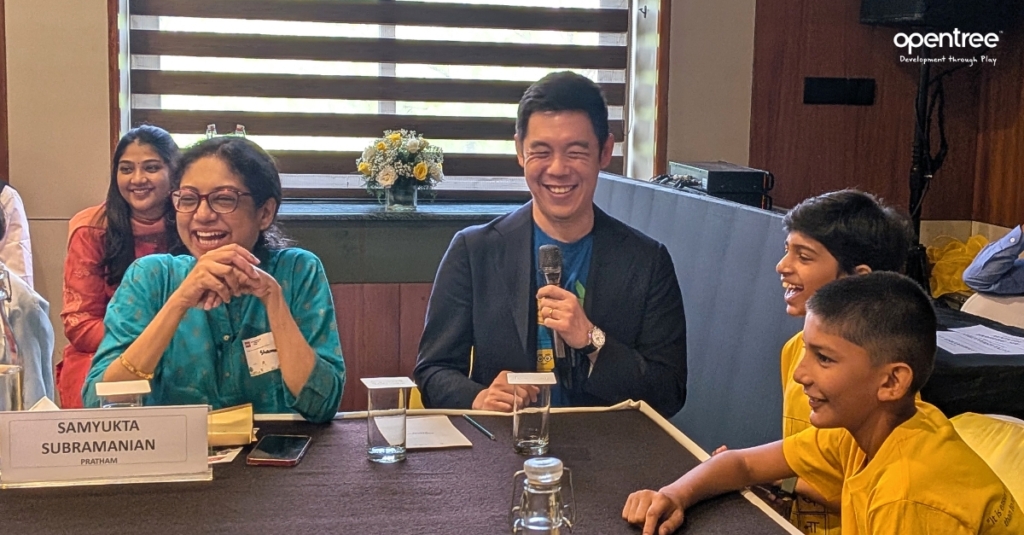
The same question carried into the Leaders’ Roundtable, where representatives from organisations including UNICEF, Atal Innovation Mission, Magic Bus, Bernard van Leer Foundation, Reach to Teach, CRY, Sesame Workshop, and others reflected on the future of play-based learning in India.
The roundtable too, began with a play-based activity facilitated by who else, but our Play Experts – Parth and Arpita. The room came alive with laughter, excitement and lightness as our students guided the adults with a game from their Play sessions.
As the conversation unfolded, leaders from across the sector shared their learnings, challenges and perspectives from designing and implementing play-based learning in varied contexts. Across these rich, diverse perspectives, one message stood out: the sector has moved beyond asking why play matters. The challenge now is how to embed it into systems at scale.
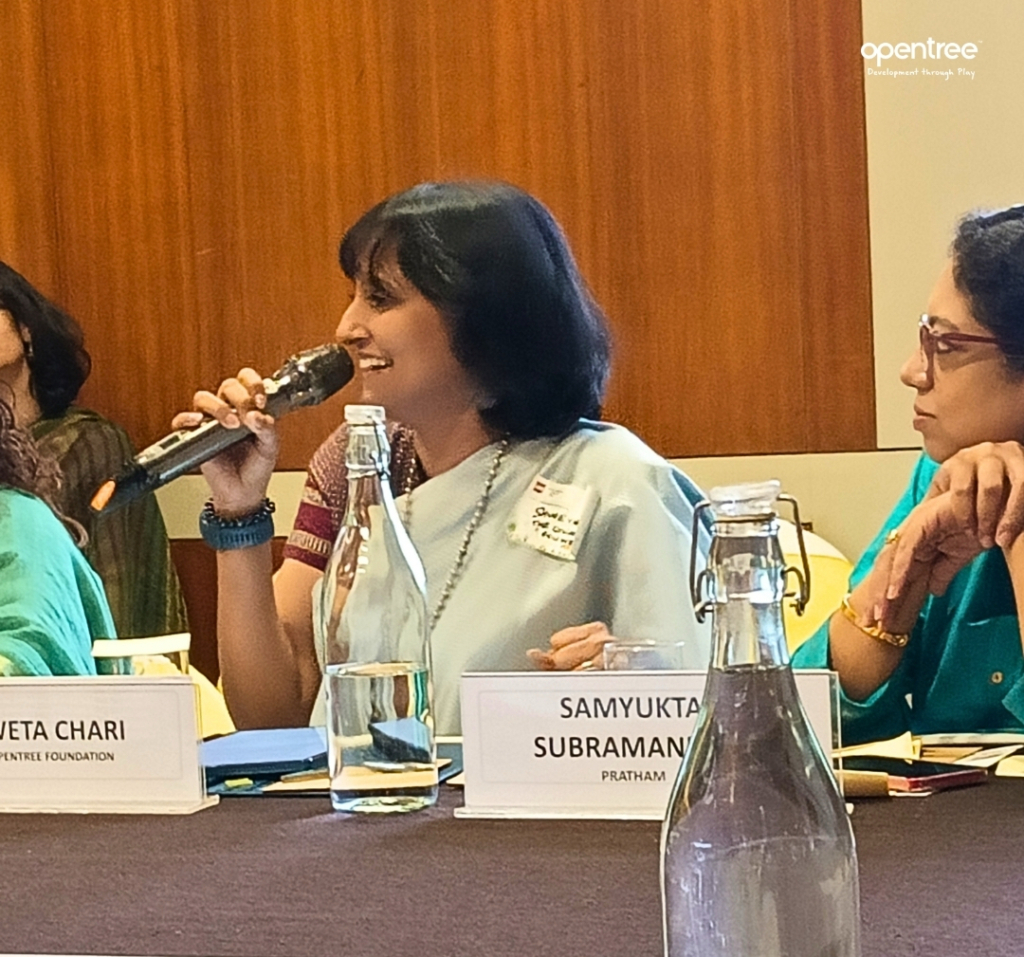
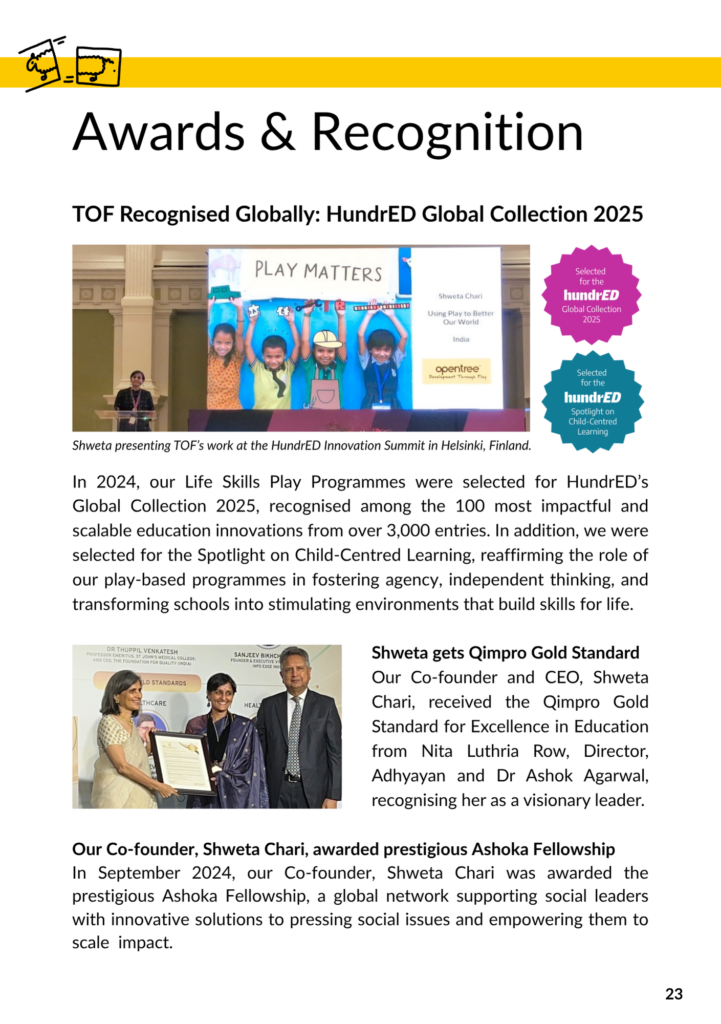
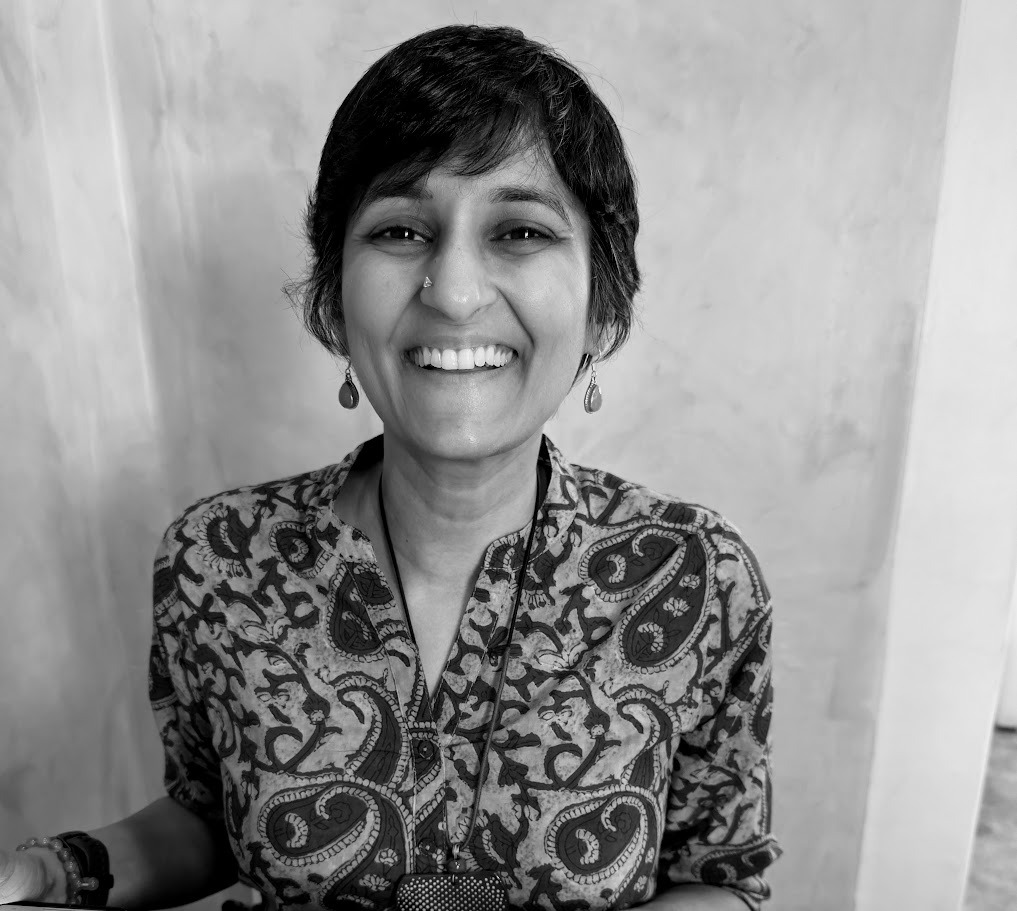
Drawing on The Opentree Foundation’s 22 years of work, our CEO & Co-founder Shweta Chari spoke to precisely this challenge. Through partnerships with government school systems, teacher capacity-building, and our integrated Foundational PlayTM approach, our work has focused on building practical models that help schools integrate play-based learning into everyday teaching—not as an additional programme, but as the way learning happens.
For us, this dialogue was an important milestone, not just because it brought together influential voices, but because it reflected a growing national readiness to make play-based learning part of India’s education systems. Realising every child’s right to play will take collective action. When school leaders, practitioners, children, government, and partners are all part of the same conversation, that future moves one step closer.
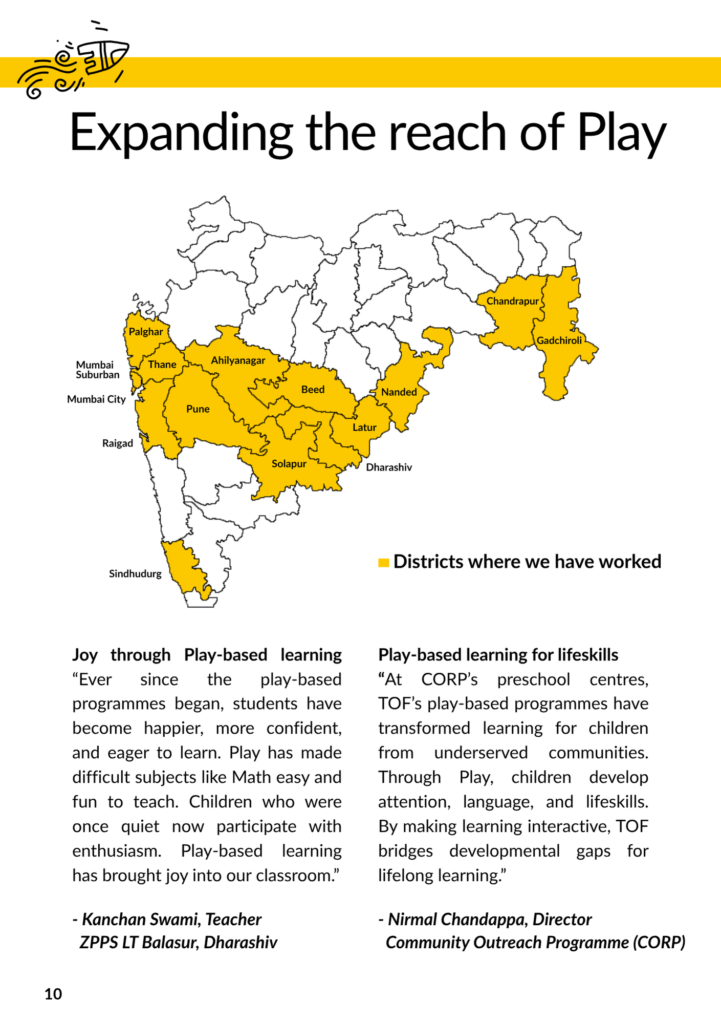
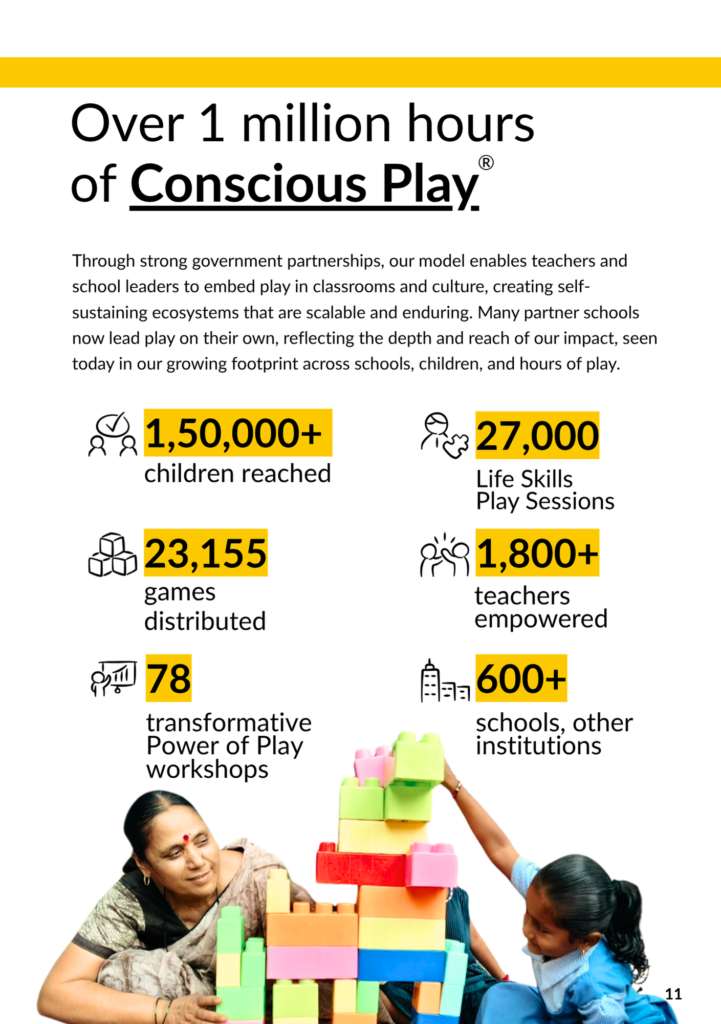
Twenty years ago, The Opentree Foundation began with a simple belief — that Play is not a luxury, but a necessity. What started in 2004 with one small group of children has grown into a movement transforming learning across 12 districts in Maharashtra. Through partnerships with 600+ under-resourced schools and 10,000+ teachers, we’ve seen how play unlocks imagination, resilience, confidence, and connection — helping children truly thrive.
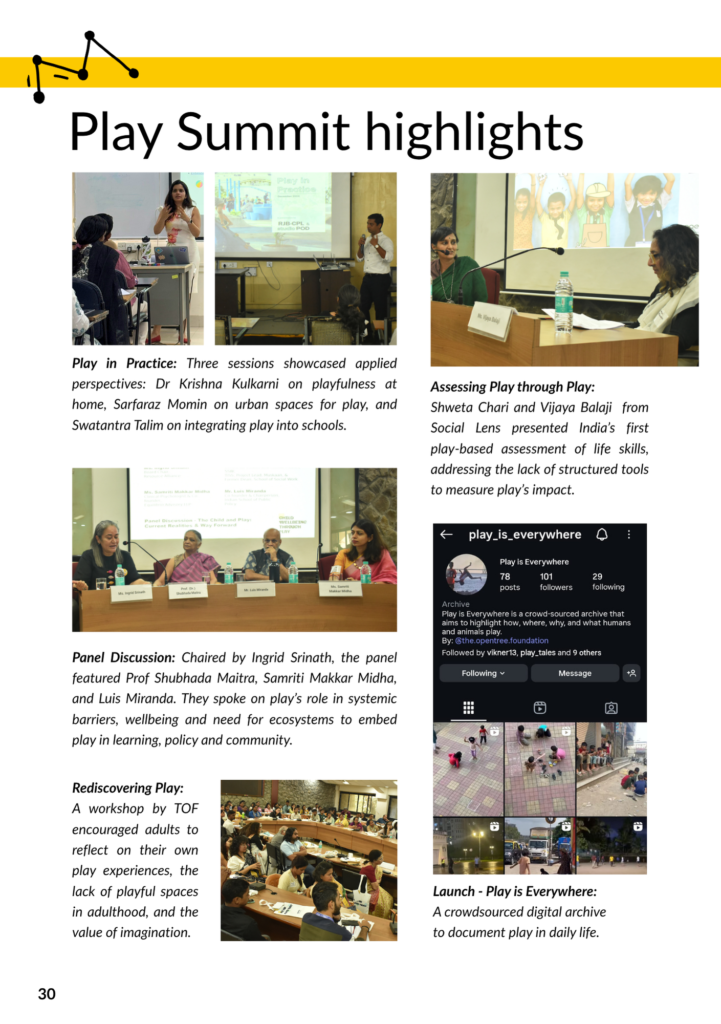
This year marked a milestone moment. We hosted India’s first Play Summit, bringing together educators, policymakers, and community leaders to champion play as central to learning and wellbeing. Our recognition by HundrED.org as a leading global education innovation reaffirmed what we’ve always known — that play has the power to change lives.
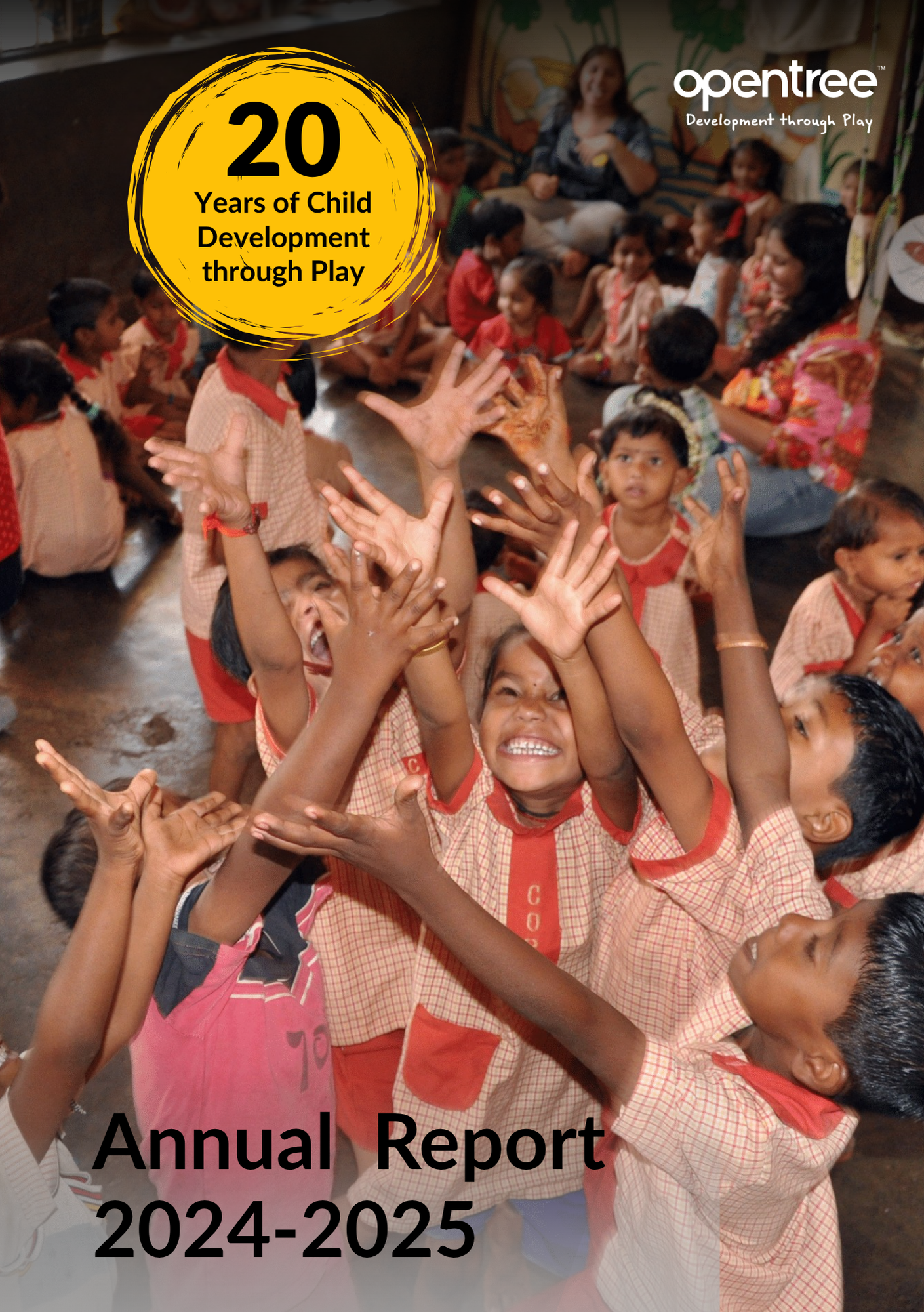
The 2024–2025 Annual Report celebrates this 20-year journey of learning, adapting, and staying rooted in the belief that every child deserves to experience the joy and freedom of play. As we look to the future, our next bold step is clear: to reach one million children by 2030 and build systems that embed play as a right, not a privilege.
Because when we choose play, we choose a future filled with possibility and dignity.
“Tss-tss- tss-pshhhh” — a long whistle from the pressure cooker next door breaks the silence at dawn. In a one-room apartment, a child wakes and folds away the cloth they slept on so the kitchen can be set up. Outside, rickshaws honk and vendors call out prices. After a hurried breakfast, the walk to school begins, the bag on their back almost as heavy as they are. But even when the school bell rings at the end of the day, their work isn’t over. There are groceries to buy, siblings to look after, a house to clean. At just 10-years-old, their hours are filled with chaos, rush, and responsibility.
This isn’t unusual. For millions of children growing up in India’s cities, this is everyday life. Homes are crowded, streets are noisy, and schedules are relentless. Children carry not only books and chores but also invisible burdens: of stress, of expectations, of too little space to simply be.
Over time, this constant pressure shapes how children see themselves and the world. Some grow restless or withdrawn, others anxious or angry. What often gets overlooked is that beneath all this, every child still longs for something very simple: the chance to play and just be a child.
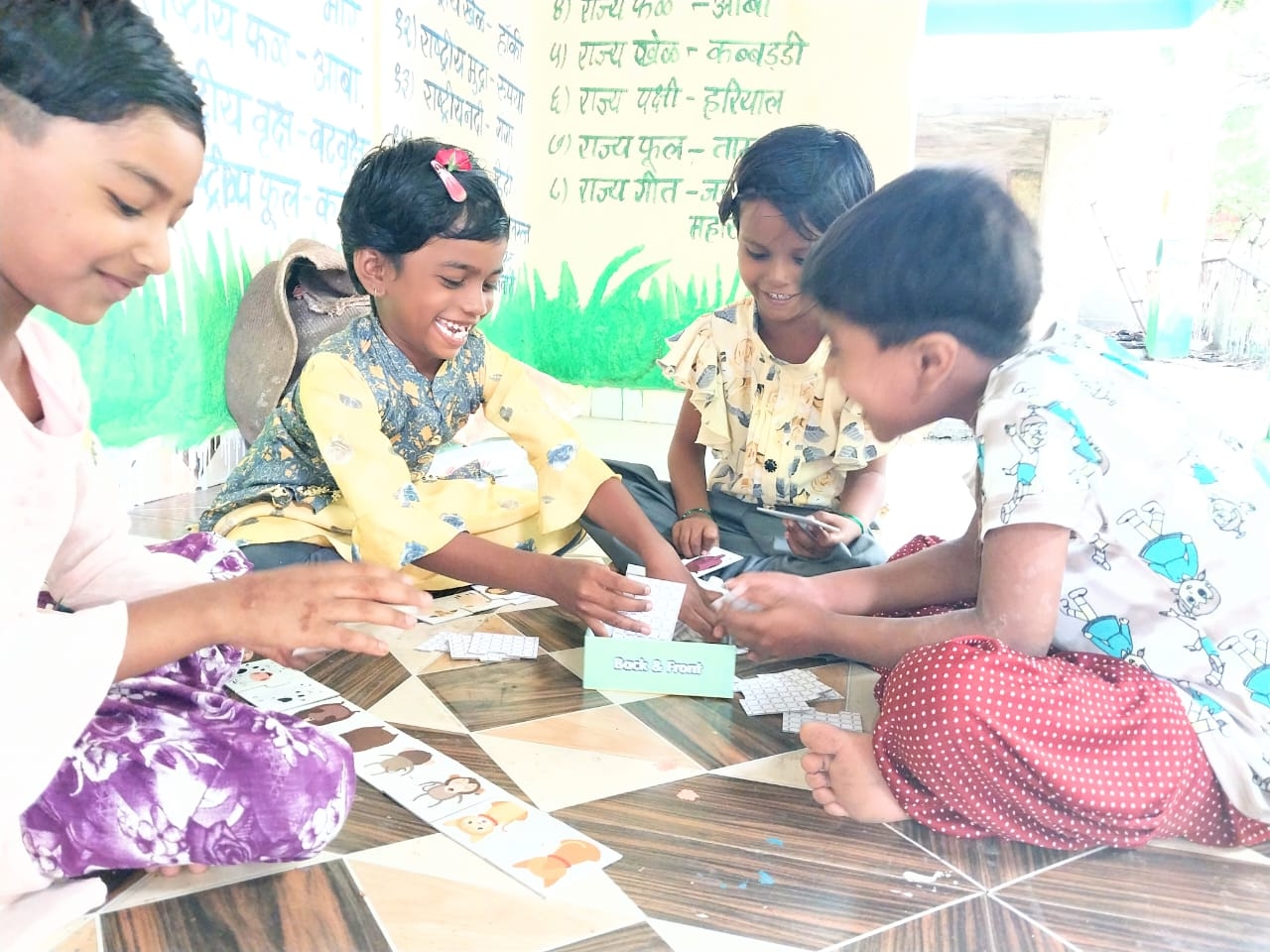
Play is often mistaken as “extra”, something that comes after studies or chores, if there’s time. But play is how children learn best. When they build, imagine, and role-play, they are also problem-solving, collaborating, and discovering themselves. For children in marginalised communities, who often lack safe spaces and supportive environments, play becomes even more critical. It is the one moment where their ideas and voices take centre stage, where they can lead, take risks, and experience the joy of success without fear of failure.
This is why play and play-based learning matters. Counting marbles can build numeracy, a round of carrom can teach patience, role-play can unlock language, and a puzzle can strengthen focus and resilience. For children who struggle with rigid, rote-based schooling, play opens a door back into learning. It turns fear of failure into curiosity, and disengagement into active participation.
The Opentree Foundation brings Conscious Play® into classrooms and communities where play is missing. Their Life Skills Play Programmes are not just about games, they are carefully curated spaces where children feel safe, supported, and encouraged. Volunteers like me and teachers guide children through games and activities that build both life skills and emotional wellbeing. Over time, we see children not only laughing and playing, but also showing more confidence in school, stronger friendships, and healthier ways of coping with stress.
I remember this one child would always sit in the corner, arms folded, refusing to join. Week after week, we kept inviting him in. One day, he quietly picked up a puzzle. By the end of the session, he wasn’t just playing, he was showing others how to solve it. That small shift says everything about the power of play.
I’ve seen it myself. One mischievous boy resisted for weeks, until we found the game that lit him up. Suddenly, he was laughing, engaging, even teaching others. At first, I used to watch the clock during sessions. Now, I dread the end, seeing the children’s faces fall when we pack up. That’s when I realised: what TOF offers is not just play. It is a relief. It is childhood, protected for just a little while longer.
In underserved communities, children often grow up faster than they should. Household chores, sibling care, and financial struggles leave little room for play. Schools too can be rigid, with their focus on exam results. By embedding play in these spaces, TOF ensures that children do not lose out on the joy and developmental benefits of play simply because of where they are born. Their work levels the playing field, giving every child, no matter their background, the right to play and learn.
Play is not a luxury. It is a lifeline. It gives children space to process big feelings, to connect with others, to imagine new possibilities. In cities that often ask children to grow up too soon, play lets them hold onto the magic of being young, if only for a while.
This article is written by our long-term student volunteer Rihan Shetty.
“It was inspiring to see how freely they translated their thoughts into art, reminding me that imagination has no limits when given the right space to grow.”
– Grade 11 ABWA CAS volunteer
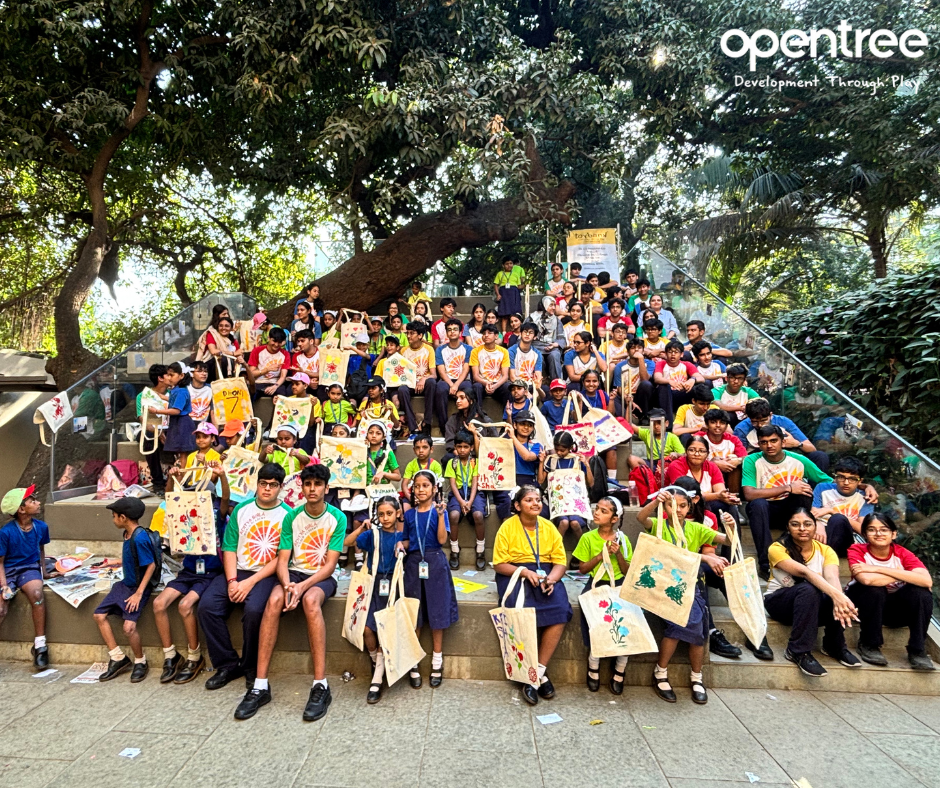
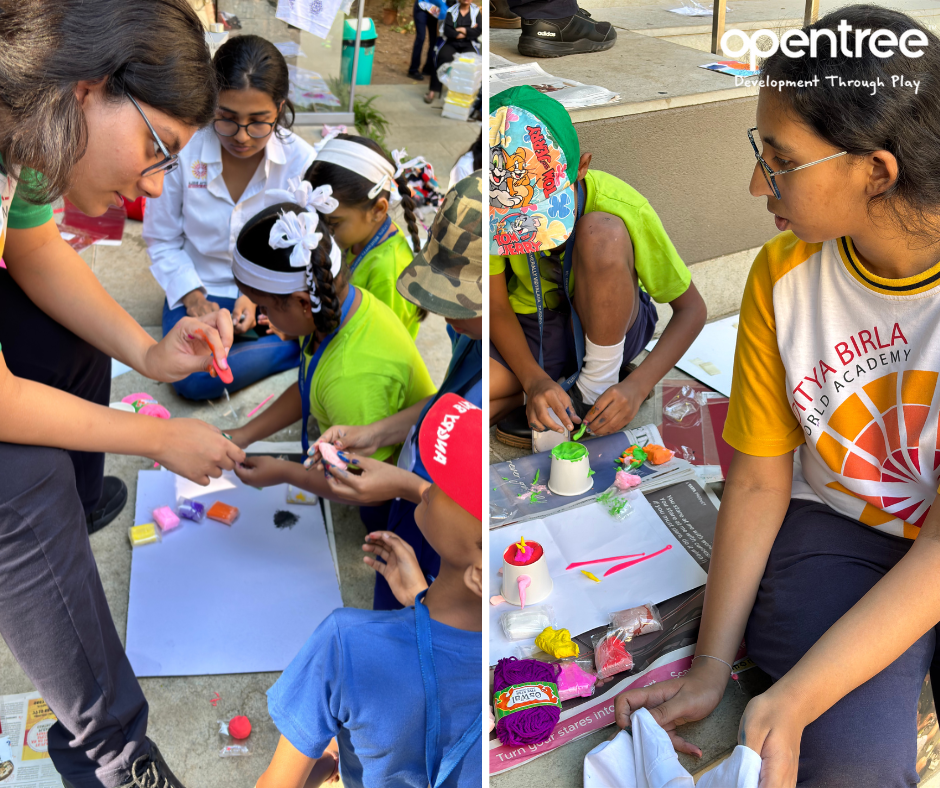
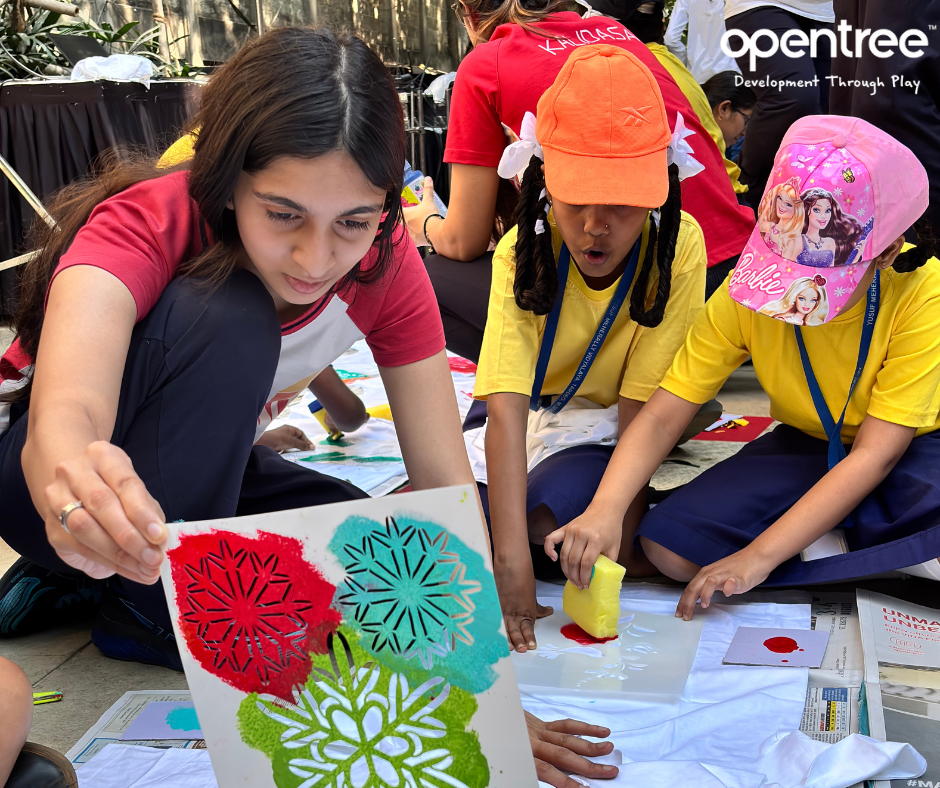
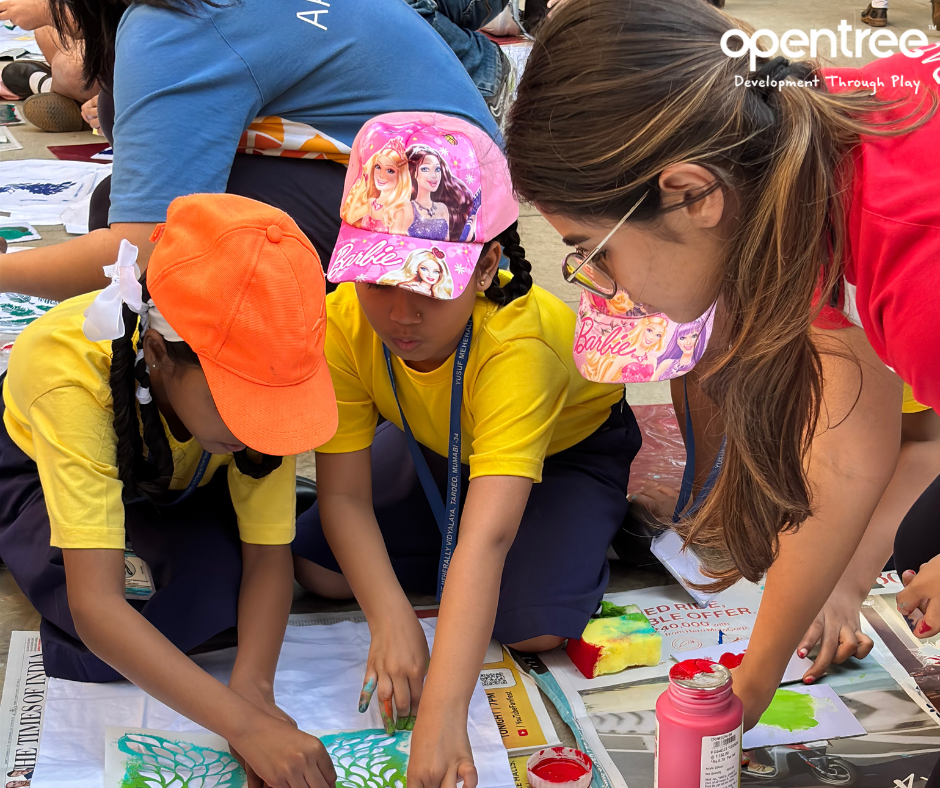
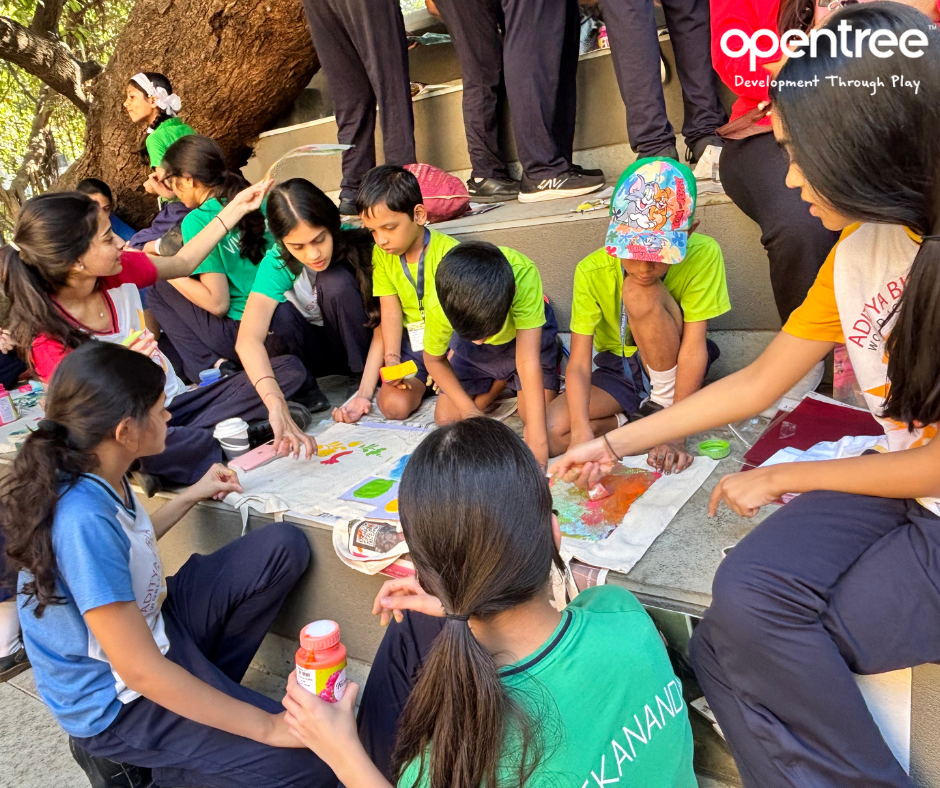
On January 29, 2025, we partnered with Aditya Birla World Academy (ABWA), to co-create a vibrant and inclusive play session at the Kala Ghoda Arts Festival. The collaboration brought together over 60 enthusiastic students from ABWA and 41 of children from The Opentree Foundation’s play centres, who celebrated the power of play, creativity, and connection. This wasn’t just an event — it was a reminder of how play can break down social barriers and empower every child to express themselves freely.
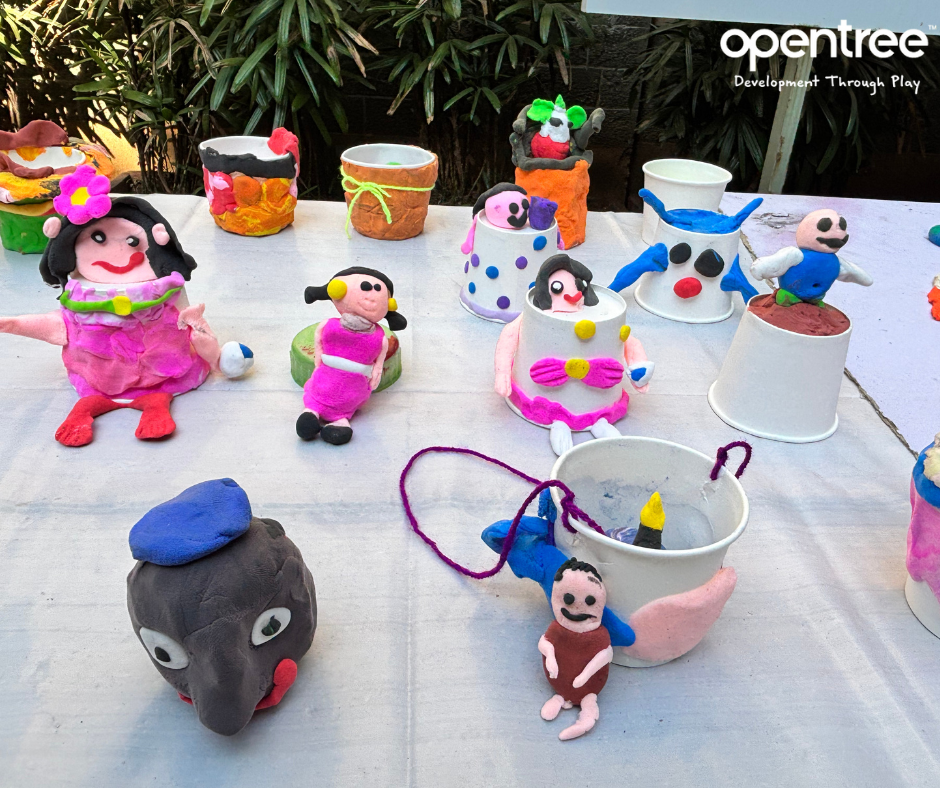
The session was a colourful fusion of artistic exploration and joyful interaction. Children immersed themselves in:
These hands-on activities encouraged self-expression, problem-solving, and collaboration. Children weren’t just making art — they were communicating ideas, forming bonds, and stepping into each other’s imaginative universes.
This session stood as a powerful testament to how unstructured play fosters critical life skills like creativity, empathy, critical thinking, and teamwork. Through shared experiences, children learned not only about themselves but about each other—celebrating differences, building confidence, and finding common ground through joyful engagement.
“Through this activity, I learned the importance of self-expression and creativity in a child’s development,” a Grade 11 ABWA CAS volunteer said. “It was inspiring to see how freely they translated their thoughts into art, reminding me that imagination has no limits when given the right space to grow.”
For the students of ABWA, it was a day of reflection and inspiration. For children from our play centres, it was a moment of recognition and freedom. And for us, it was yet another affirmation of the transformative power of play.